Flooded basement help
Basement Flooding Cleanup in Council Bluffs, IA
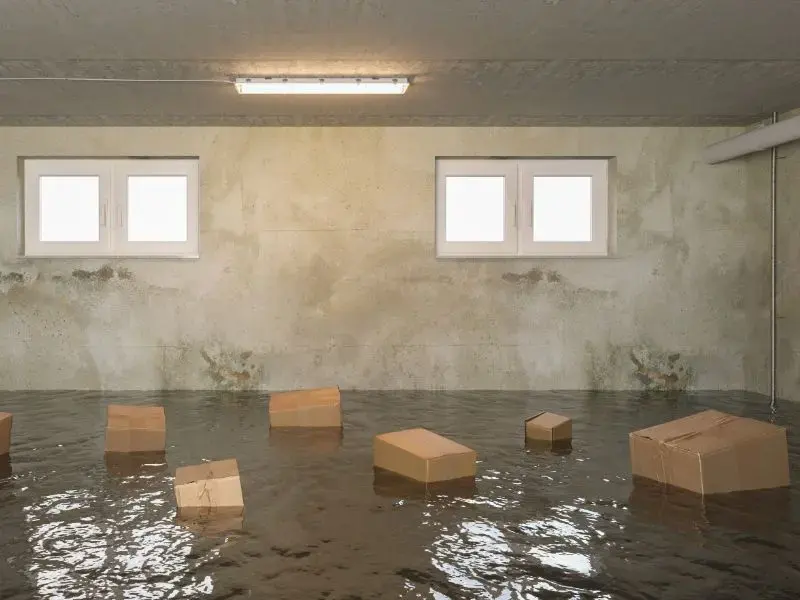
A flooded basement puts the furnace, water heater and finished rooms at risk at once. The restoration team pumps it down, maps the moisture and dries the level to standard.
(888) 599-2961Speak with Council Bluffs 24/7 dispatch- IICRC S500 drying standard
- Truck-mounted extraction
- Daily moisture readings
Typical sourceRain, pipes, sump, drains
Common wallsBlock, stone, brick
Drying standardIICRC S500
Availability24/7, every day
Almost every home in Council Bluffs has a basement, and the basement is where water ends up. Older houses in the West End and around downtown sit on stone or brick foundations that were never meant to be fully dry. Postwar homes on the east side and up the bluffs have block walls with a joint between wall and floor that lets water in when the ground is saturated. Newer finished basements toward Lake Manawa hold carpet, drywall and furniture. When water shows up, the basement flooding crew works out where it came from before it decides how to dry it.
How basement flooding cleanup is handled in Council Bluffs
- 1
Find the source
The tech who does the walkthrough identifies the source and the water category before anything else.
- 2
Pump down
Portable pumps and extraction take the basement back to the slab.
- 3
Open what must dry
Pad, baseboard and the bottom of wet drywall come out where readings say so.
- 4
Dry and verify
Air movers and LGR dehumidifiers run until block, wood and slab hit the drying goal.
What does basement flooding cleanup cost in Council Bluffs, IA?
In Council Bluffs, IA, basement flooding cleanup typically runs $1,500 to $10,000 or more, depending on the depth of water, whether the basement is finished, how much drywall and flooring has to come out, and whether the water was clean or contaminated.
Unfinished, clean water
$1,500 to $3,500
- Pumping and extraction
- Concrete and block drying
- Daily readings
Finished basement
$3,500 to $7,000
- Pad and drywall flood cuts
- Cavity drying
- Contents moved and logged
Deep or contaminated
$7,000 to $10,000+
- Category 3 protocol
- Full material removal
- Antimicrobial and drying
For a closer planning number, try the water damage cost calculator. A firm figure comes after the walkthrough and moisture map.
Where basement water comes from in Council Bluffs
- Heavy spring and summer storms that overwhelm window wells and downspouts
- A sump pump that fails or cannot keep up
- Burst or frozen pipes in the ceiling joists above the basement
- Floor drains backing up from the sewer, which is Category 3 water
- High groundwater on the river floodplain pushing in at the wall and floor joint
The source matters because it sets the water category. Clean water from a pipe is dried one way; water that came up through a floor drain or across the yard is treated as contaminated. Slow, ongoing seepage is its own problem, covered on the foundation seepage cleanup page.
Finished versus unfinished basements
An unfinished basement with a concrete floor and block walls usually dries well once the water is extracted. A finished basement is different: carpet pad, the bottom of the drywall, baseboard and wet insulation often need to come out so the wall cavity can dry. The drying team cuts the drywall a set height above the water mark rather than tearing out whole walls, and documents the cut with photos.
Furnace and water heater first
When water reaches the mechanical room, the restoration team keeps people away from the furnace and water heater until power is off and a qualified tech has checked them. Gas appliances that sat in water get inspected before they run again.
Keeping the next one out
After the dry-out, look at downspout extensions, window well covers and the grade around the house. A battery backup on the sump is cheap protection. For a closer look at flood risk on the Missouri River floodplain, Ready.gov flood preparedness has a plain checklist, and the EPA flooding page covers cleanup safety after floodwater. For the drying phase itself, see structural drying in Council Bluffs.
Coverage
Basement Flooding Cleanup across Council Bluffs and nearby towns
The Council Bluffs restoration crew covers the river bottoms and the bluffs alike, from the West End and Lake Manawa to the Fairmount Park hills, plus Carter Lake, Crescent, Treynor, Underwood, McClelland, Neola and the rest of Pottawattamie County. ZIP codes 51501, 51502 and 51503.
See every area and ZIP coveredRelated water damage services
Questions
Basement Flooding Cleanup questions in Council Bluffs
My basement is flooding right now. What should I do first?
Stay out of the water if it is near outlets, extension cords or the furnace. If the electrical panel is in a dry spot, switch off the basement circuits. Stop the source if you can reach it safely, take photos, then call for extraction.
Can a finished basement be saved?
Often, yes. Framing and concrete can be dried in place. Carpet pad, the lower part of the drywall, baseboard and wet insulation usually come out so the wall cavities can dry. A clean water loss saves more than a contaminated one.
How long does a flooded basement take to dry?
A contained clean water loss commonly dries in three to five days with the right equipment. Stone and block walls, thick concrete and Category 3 losses take longer, and the drying team pulls equipment only when readings reach the drying goal.
Is basement flooding covered by insurance?
It depends on the source. A burst pipe is commonly covered, sewer or drain backup often needs a specific endorsement, and surface or river water usually needs flood insurance. Coverage depends on the policy, so it is worth checking with your own insurer.
Why does my basement smell musty after water?
Wet drywall, carpet pad and wood hold moisture and start to sour. The smell is a sign that materials are still wet, not that the air needs a freshener. Drying and removing what cannot be dried is what clears it.
Do I need to empty the basement before help arrives?
Move valuables and electronics up if it is safe, but do not lift heavy wet items or wade through deep water. The crew handles the rest and photographs contents for the claim.
24/7 emergency dispatch
Basement Flooding Cleanup in Council Bluffs, around the clock
Standing water keeps moving into wood, drywall and insulation. The restoration team extracts it, dries the structure to the IICRC S500 standard and documents every step for the claim.
(888) 599-2961Get a Council Bluffs restoration pro on the phone
Council Bluffs, IA · Find us on Google