Omaha, Nebraska · Missouri River valley city
Water Damage Restoration Omaha, NE
Round-the-clock water damage restoration for Omaha, NE. Extraction crews clear river, storm and sewer water, then the drying team takes older brick and newer frame homes down to the IICRC S500 standard.
(888) 599-2961Water or sewage inside? Start the dry-out now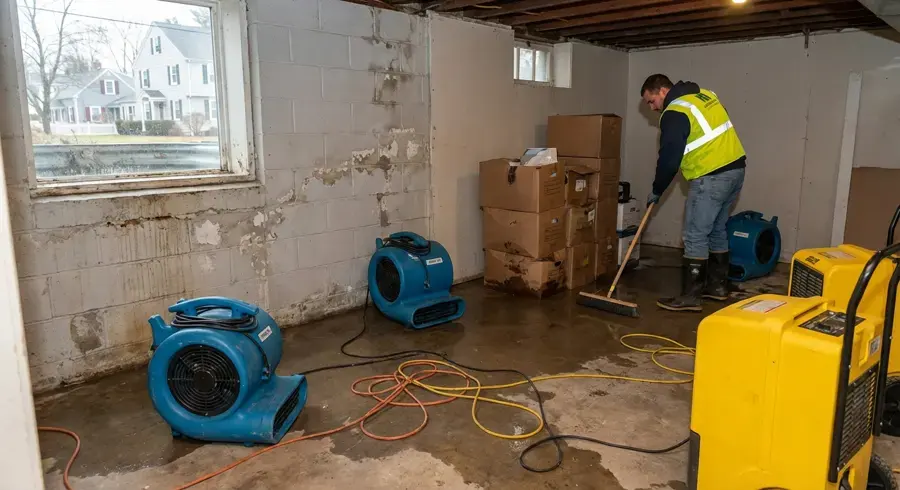
- Dispatch around the clock
- S500 drying standard
- Sewage protocol
- Daily moisture readings
Right away
What to do the moment water enters an Omaha home
- 1Stop the flowClose the main shutoff. A broken street main belongs to M.U.D., not the homeowner.
- 2Check the drainsMurky water rising from a drain or toilet is sewage. Stop using sinks.
- 3Photograph firstRecord each wet room and item before anything is moved or discarded.
- 4Call earlySoaked pad and drywall pull water upward, so pumping should begin quickly.
Water and sewage only
Water Damage Restoration Services in Omaha, NE
Sewer backups, winter pipe failures and river or storm flooding lead the list in Omaha, where a large combined sewer system and the Missouri River both shape losses. Every job follows one order.
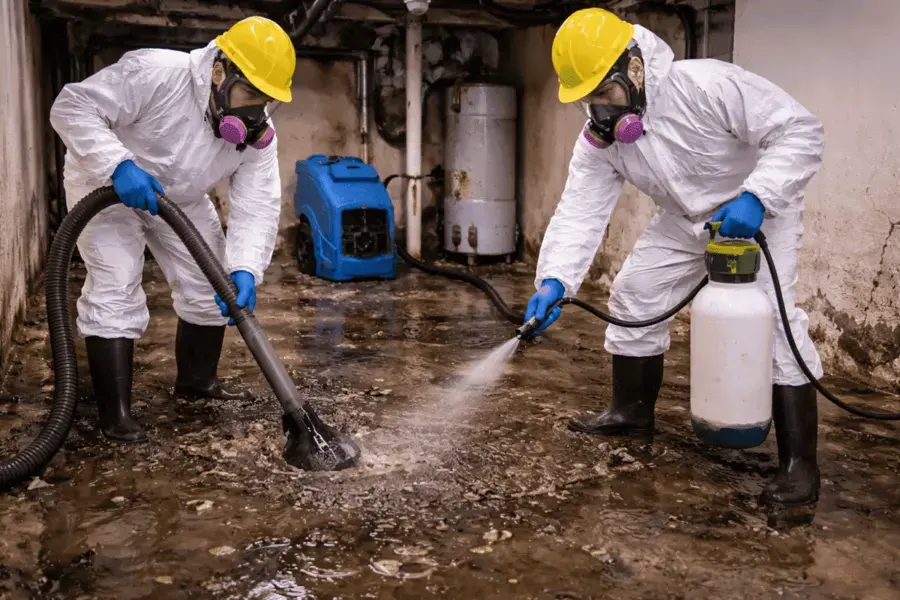 Heavy rain backupsSewage Backup CleanupBlack water rising through drains, contained, removed and disinfected.See how it is handled
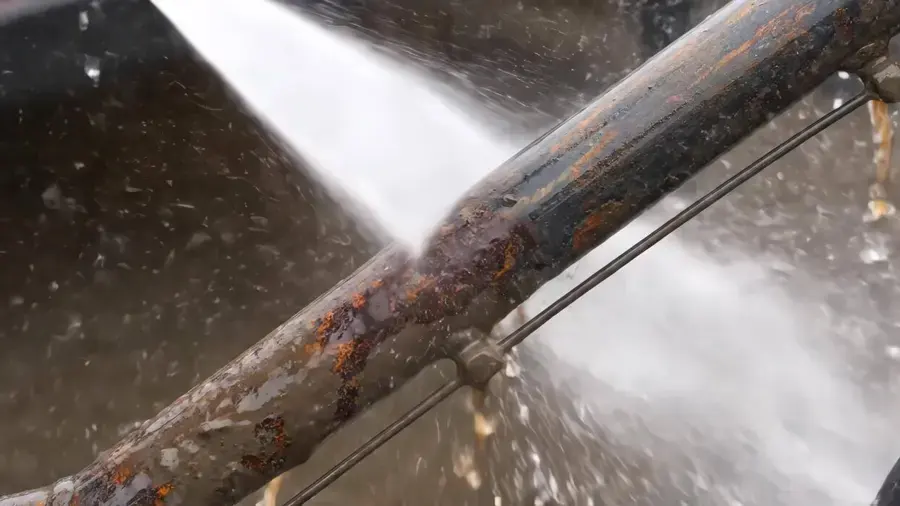 Arctic cold snapsBurst Pipe CleanupA pipe that lets go in an arctic snap, extracted and dried room by room.See how it is handled
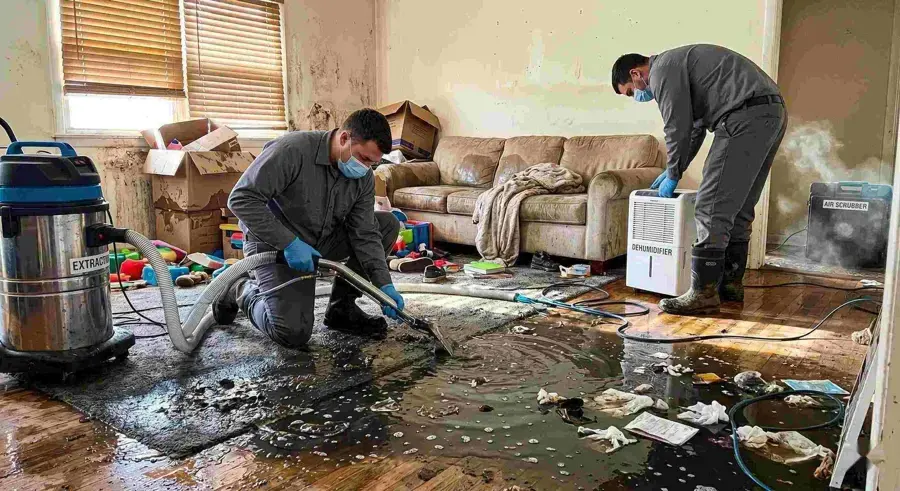 Emergency Water ExtractionPumps and hand wands clear standing water left by storms and river rises across the valley.Details
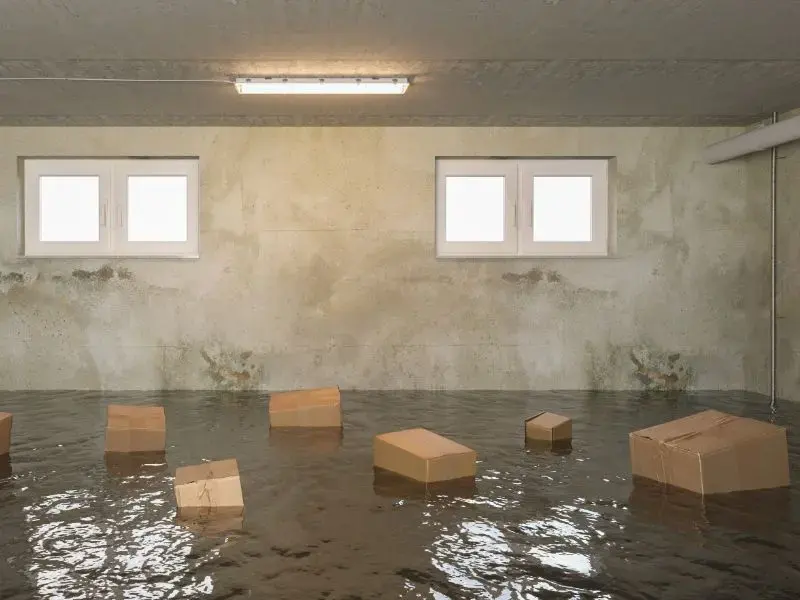 Basement Flooding CleanupFinished lower levels soaked by sewer backups or heavy rain, pumped out and dried.Details
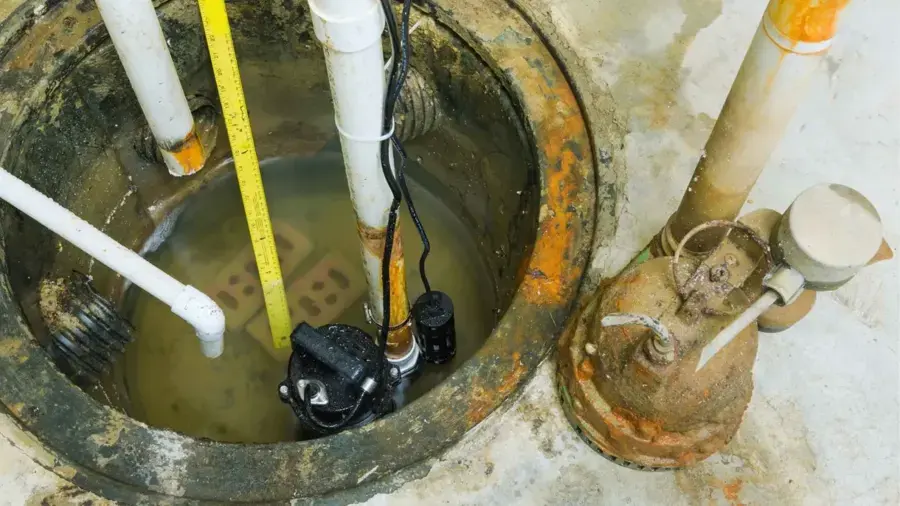 Sump Pump Failure CleanupA pit that quits during a thaw or a storm blackout, then the wet floor.Details
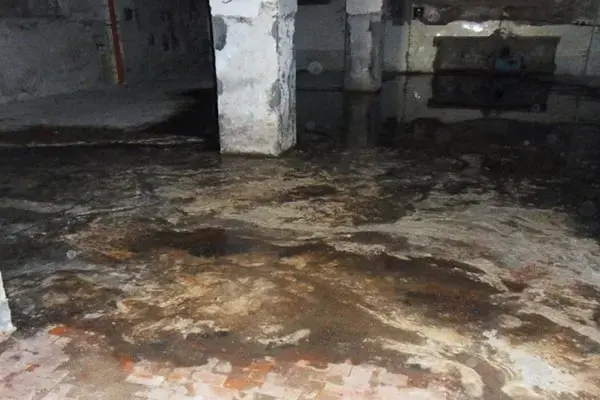 Foundation Seepage CleanupSlow water at the wall base after frozen ground sheds snowmelt, dried to a reading.Details
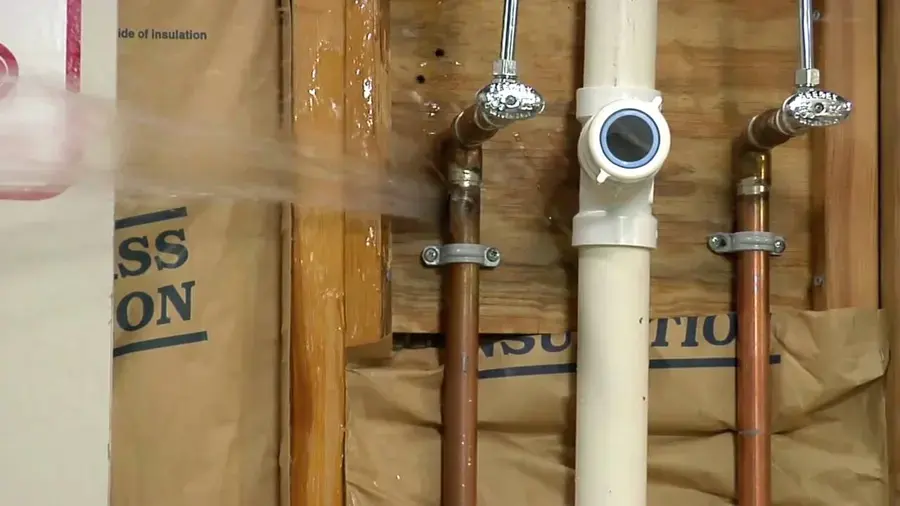 Frozen Pipe CleanupSubzero nights that split pipes in outside walls, with the cavity opened and dried.Details
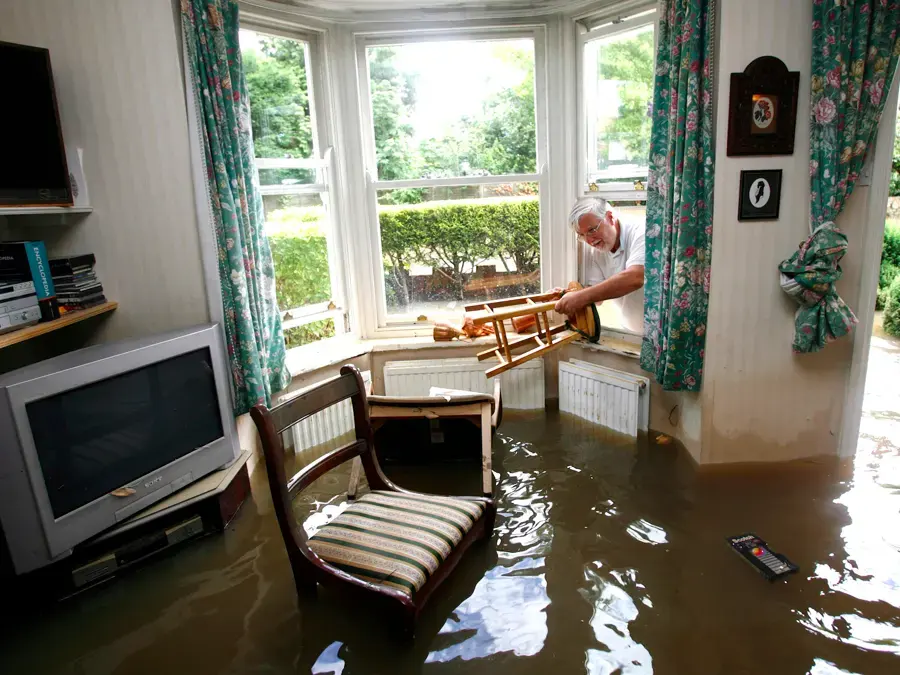 Storm Flood CleanupStreet flooding and creek or river overflow, treated as contaminated water.Details
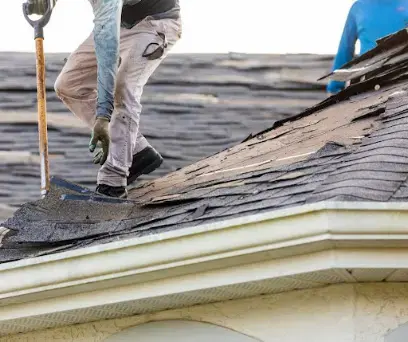 Roof Leak Water DamageHail and wind openings traced from the attic ceiling and dried.Details
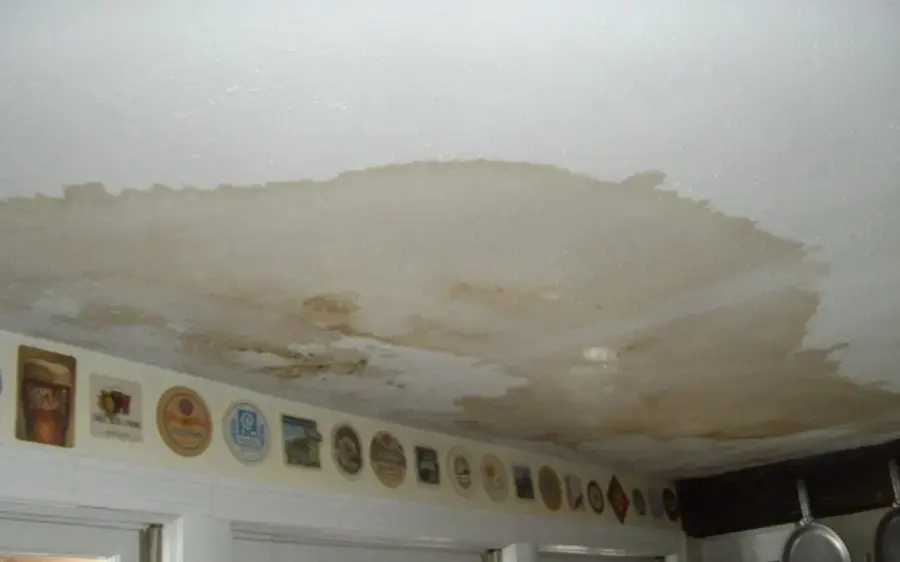 Ceiling Leak Water DamageUpstairs leaks in apartments that stain the ceiling of the unit below.Details
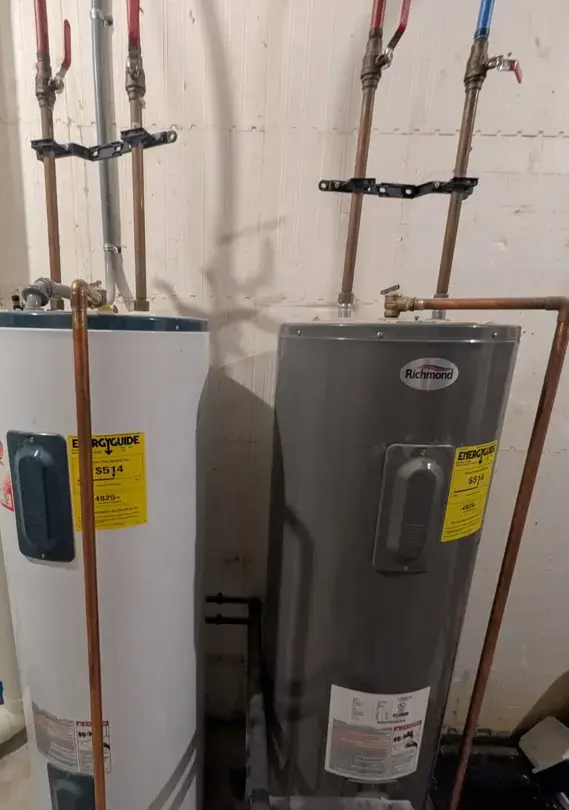 Water Heater Leak CleanupAn aging tank that empties into a utility room and the rooms beside it.Details
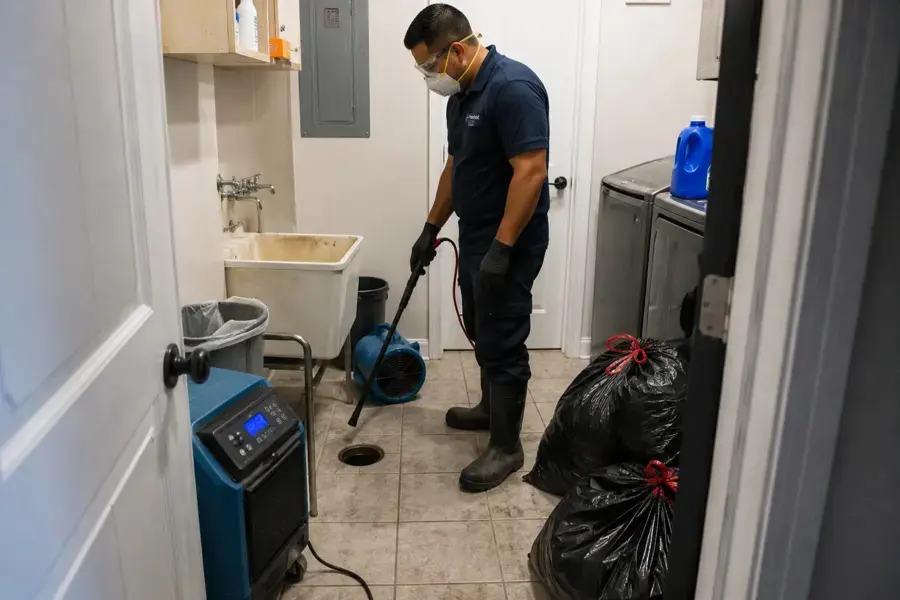 Appliance Leak Water DamageWasher and dishwasher failures that reach neighbors in multi-unit buildings.Details
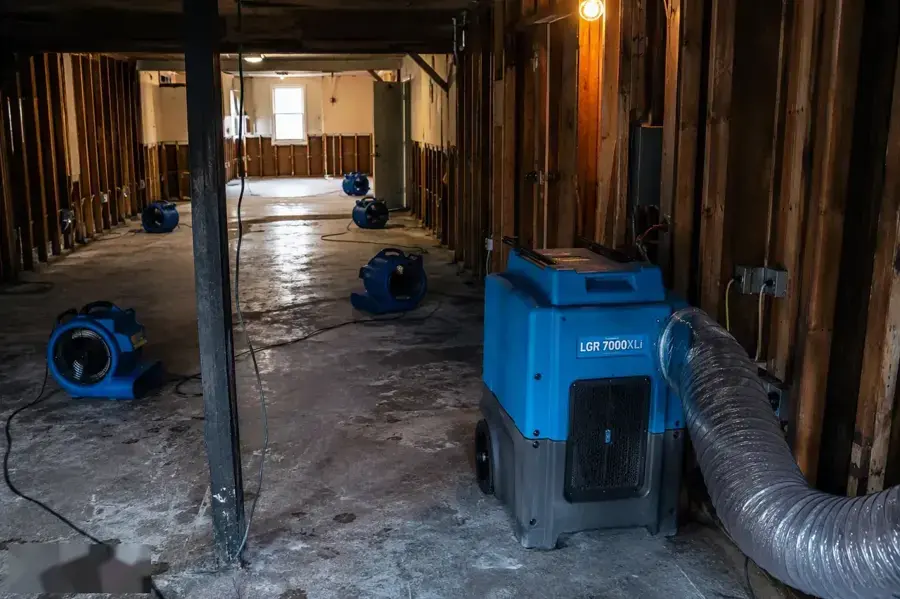 Structural DryingOld masonry and framing dried slowly, with readings to prove it.Details
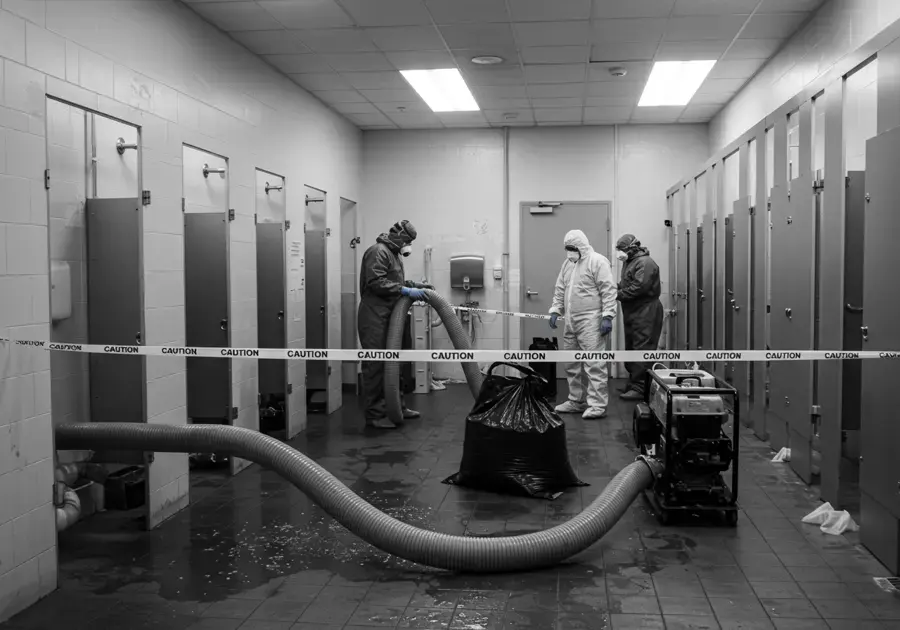 Commercial Water DamageWarehouse conversions, offices and campuses dried in phases around operations.Details
The drying order
Omaha water damage dried to the IICRC S500 standard
Omaha homes range from prewar brick near the river to frame houses in the western sprawl, so no two dry alike. The drying team reads moisture before equipment goes down, so the plan follows what is truly wet in each room.
- Moisture mapped first
- Sewage treated as Category 3
- S500 drying standard followed
- Readings logged every day
- 1
Find the wet edge
Meters and a thermal camera reveal how far water crept beneath floors and inside walls.
- 2
Remove standing water
Pumps lift the pool out first, leaving only damp material for the equipment to handle.
- 3
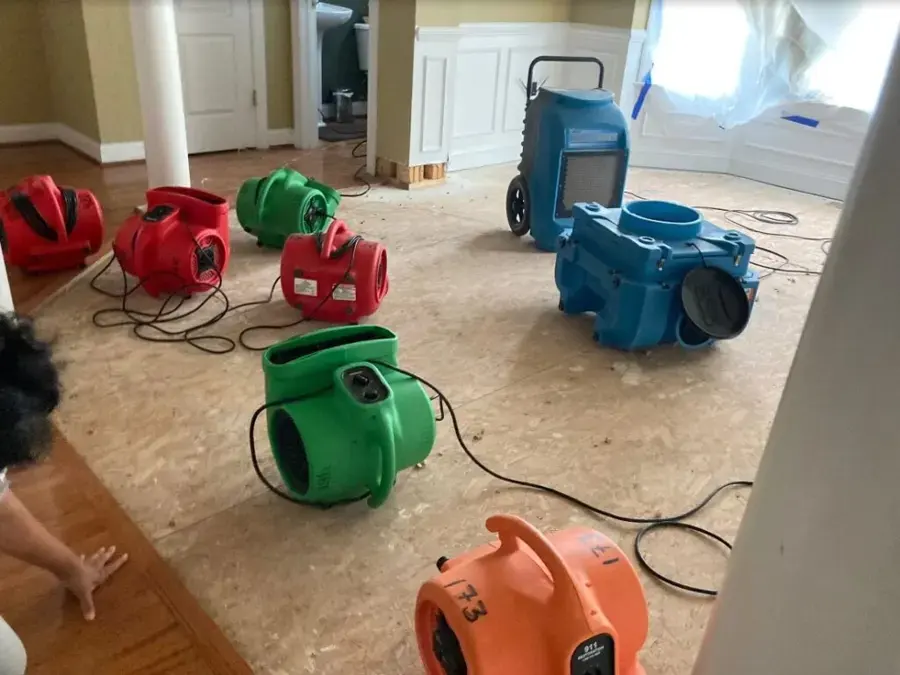
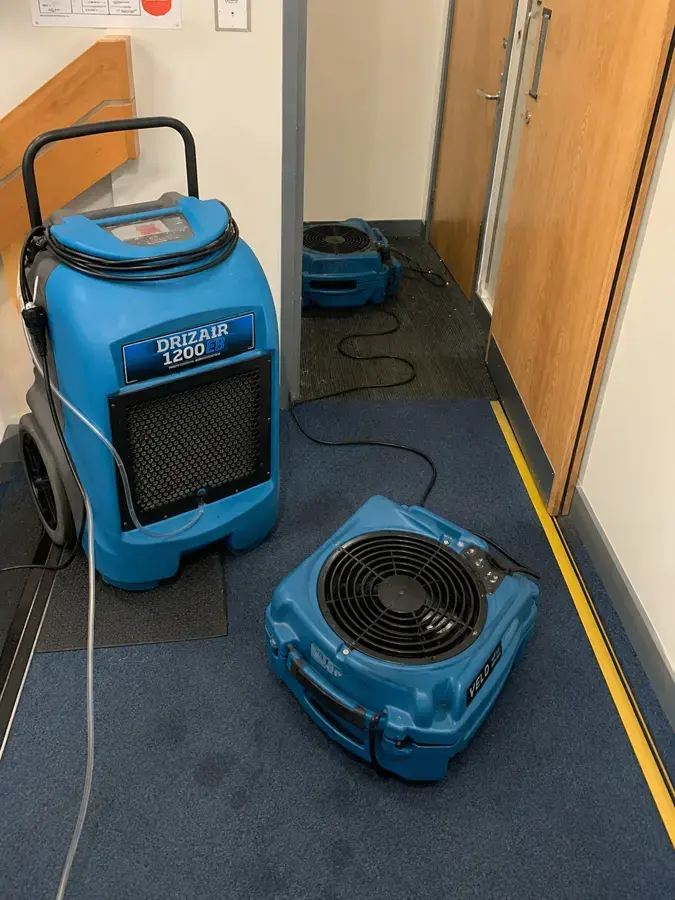
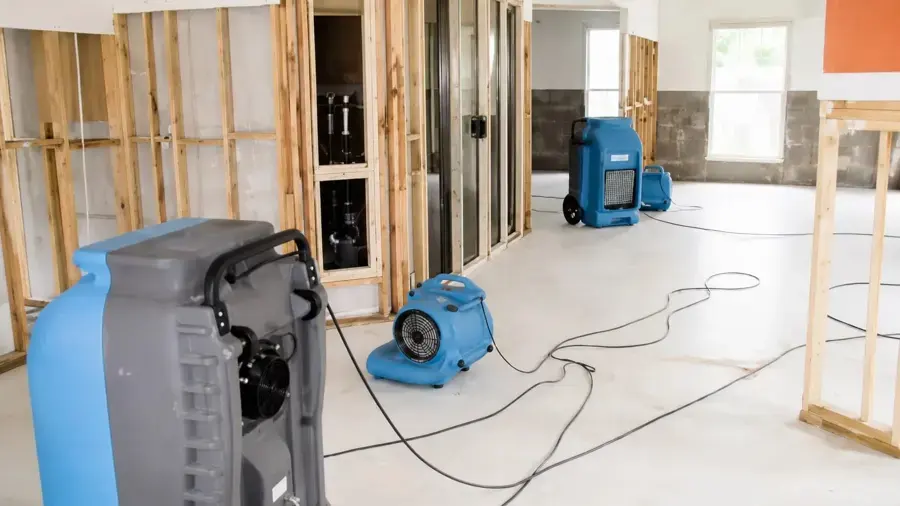
Place air movers and LGR units
Air movers are matched to each room, while LGR dehumidifiers strip moisture from the air.
- 4
Dry to a reference reading
Machines stay until damp areas sit within 2 to 4 points of a dry sample taken in that building.
Built for Omaha
An Omaha restoration crew built around a river city
Omaha covers 141.57 square miles of land beside the Missouri River, and its housing runs from the oldest blocks near the river, in the Near North Side and Midtown, to newer homes in west Omaha. Omaha water damage pros open each job by asking where the water came from, whether it is clean, gray or sewage, and how long the structure needs to dry.
Paperwork starts at the door: a moisture map, dated photos before any demolition and fresh readings every day. The drying crew treats framing and subfloor, not only carpet, and the machines go home when the numbers say dry.
How an Omaha dry-out is run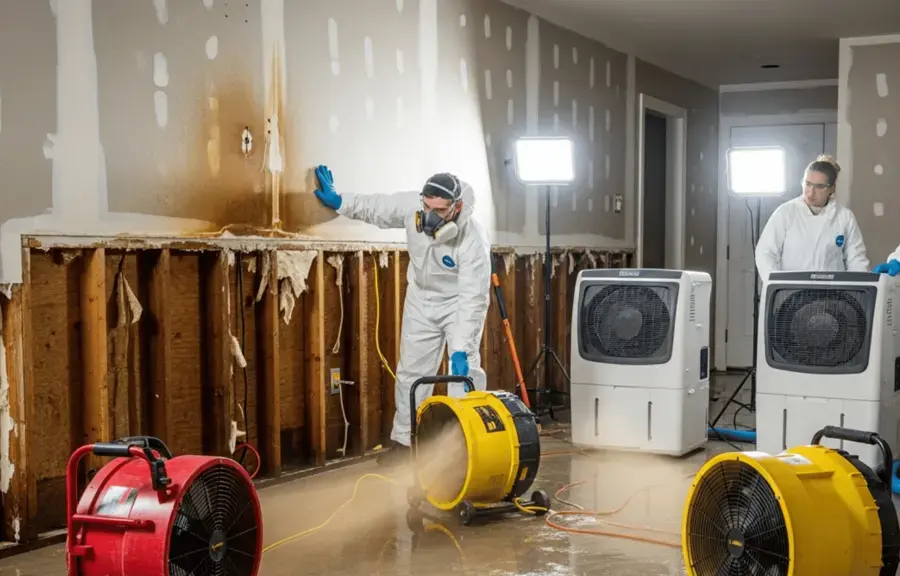
What it costs
What does water damage restoration cost in Omaha, NE?
Expect $1,000 to $10,000 or more for water damage restoration in Omaha, NE. The final figure follows the water category, the wet square footage, the materials involved and how soon drying began. A small supply leak sits low, and sewage in a finished basement sits near the top.
Contained clean water
$1,000 to $3,000
- One room or one corner
- Pump-out and air movers
- Dry goal tracked daily
Basement or several rooms
$3,000 to $7,000
- Pad and lower drywall removed
- Wall cavities dried
- Contents moved and inventoried
Sewage or floodwater
$7,000 to $10,000+
- Black water procedures
- Sealed work area, HEPA air
- Long structural drying
Run your own numbers in the water damage cost calculator. The walkthrough and the moisture map then set the true scope of the job.
Clean, gray, black
Every water damage category handled in Omaha, NE
Category 1, clean water
A cracked supply pipe, a failed tank or a loose hose. Dried where it sits, before it can turn gray.
Category 2, gray water
Dishwasher discharge, sump overflow or seepage at a foundation wall. Soaked pad and trim are scrubbed or discarded.
Category 3, black water
Sewage surging from a drain or toilet, plus river or street floodwater. Absorbent materials leave before disinfecting begins.
Sewage backup cleanup
Insurance
Building the claim file in Omaha
A sudden pipe failure, a sewer or drain backup and rising river water often fall under three different kinds of coverage. Douglas County flood claims peaked in 2019 at 225, the high point in records going back to 1978. Your own policy decides, so confirm with your insurer.
What the adjuster will ask for
- A first-visit moisture map, room by room
- Humidity and moisture numbers recorded daily
- Photos with dates, taken before removal
- The water category and the loss class
- A detailed scope an adjuster can follow
Ask whoever responds exactly which records come with the work.
On the job
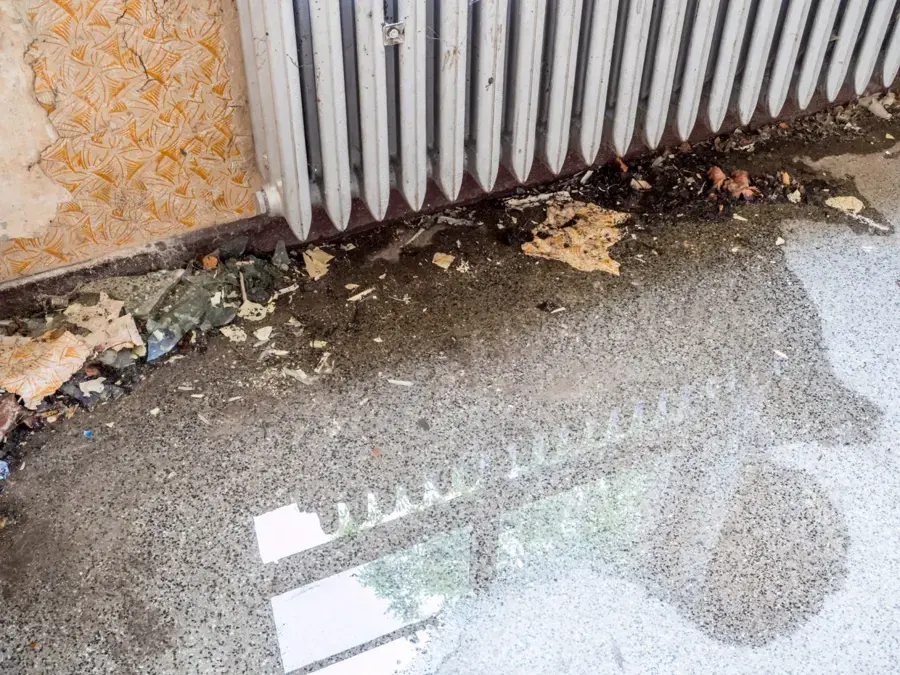
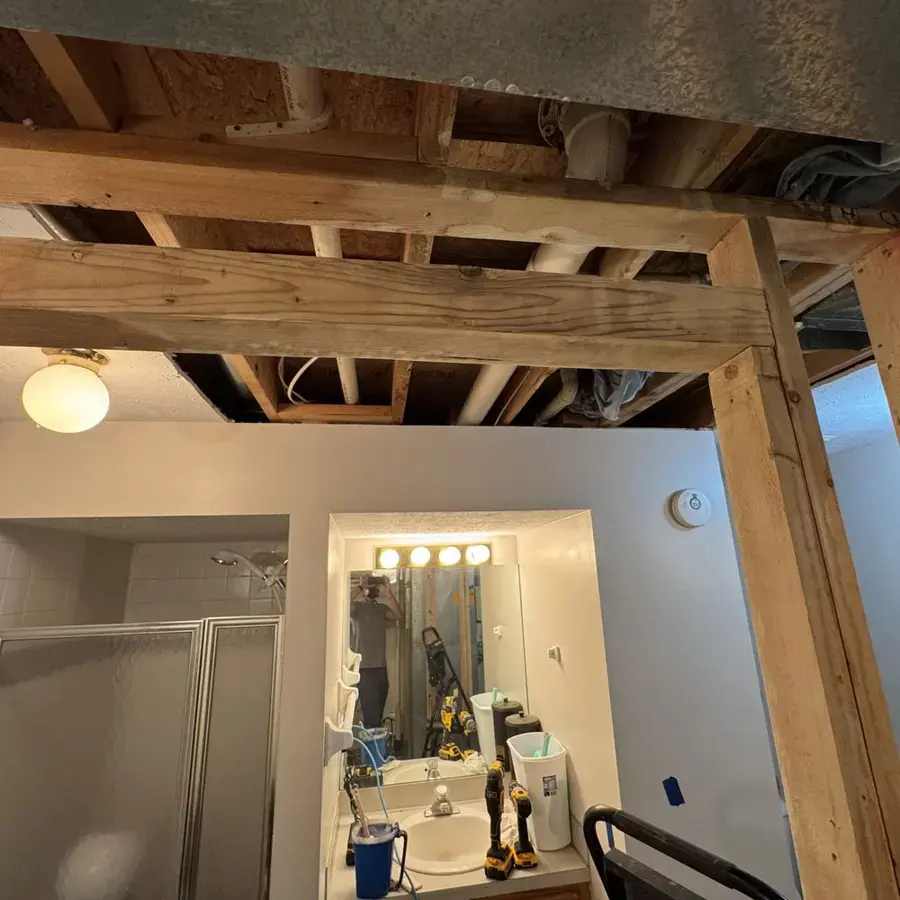
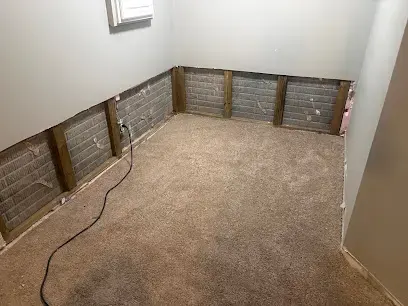
Inside an Omaha water damage dry-out, room by room
Day or night
Omaha water damage pros, ready at any hour
A split pipe, a gurgling drain or a street full of storm water keeps no office schedule. Describe where the water began and which level is wet, and the response team loads the right pumps and dehumidifiers for the first visit.
Council Bluffs Water Damage Restoration
Serving Omaha, NE
(888) 599-2961
24 hours, 7 days a week
Find us on Google
Areas served
Water damage restoration across all of Omaha, NE
The restoration team works the whole city: Downtown Omaha and the Old Market, Midtown, Dundee, Florence and East Omaha, along with corridors such as Abbott Drive and Interstate 29.
ZIP codes
6810268104681056811068114
Neighborhoods and landmarks
- Downtown Omaha
- Old Market
- East Omaha
- Near North Side
- Kountze Place
- Gifford Park
- Bemis Park
- Little Italy
- Dundee
- Happy Hollow
- Florence
- Field Club
- Gold Coast
- Midtown Omaha
- Eppley Airfield
- Carter Lake
Neighboring communities, listed below, get the same crew and standard.
Nearby areas
Why water gets in
Water damage in Omaha, NE: the local risk profile
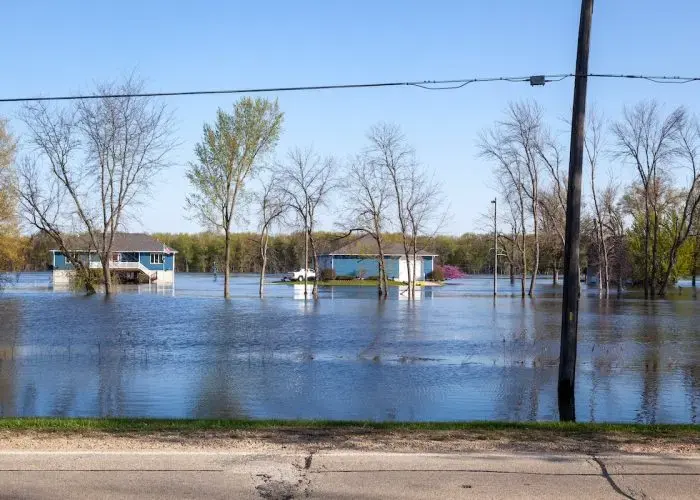
Omaha sits on the Missouri River, with a large combined sewer system under its older streets, and both show up in its losses.
- On June 16, 2011, the Missouri River stood at 33.33 feet at Omaha, and pumps went in along Abbott Drive.
- City of Omaha planning documents tie heavy rain to street flooding and sewer backups.
- On December 22, 2022, Omaha hit -14 F, with wind chills near -40 F.
- In March 2019, frost nearly two feet deep kept snowmelt from soaking in.
Questions
Water damage questions from Omaha homeowners
What should I do first if sewage comes up a floor drain?
Quit using sinks, tubs and the washer, keep kids and pets clear, and avoid the water near outlets. Take photos, then call. Sewage counts as black water the instant it escapes, so sewage backup cleanup procedures apply.
Who owns the pipe between my house and the street?
M.U.D. describes a sewer lateral as the privately owned pipe connecting a home or business to the city's mainline sanitary sewer under the street. The restoration team handles cleanup and drying inside the building; a plumber handles the pipe itself.
Why can heavy rain back sewage into Omaha basements?
Omaha's combined sewer system covers 43 square miles, and City of Omaha planning documents say heavy rain can cause street flooding and sewer backups. A 2025 backup flooded a finished basement in northwest Omaha, according to WOWT.
Is the city fixing its combined sewer overflows?
The City of Omaha overflow program aims to capture or treat 85% of average yearly combined sewage volume and will not be finished until 2037. It covers 29 overflow points and nearly 60 projects, so heavy-rain risk will not vanish soon.
Does homeowners insurance cover a sewer backup in Omaha?
Frequently only through an added endorsement. A sudden pipe break is commonly covered, while rising river or street water tends to need flood coverage. Read your own policy before a loss, and photograph everything first.
How cold does it have to get before pipes burst?
Omaha averages about 11 days a year with lows at or below 0 F. M.U.D. warns that a single hard overnight freeze can burst an outdoor faucet or the pipe behind it, so frozen pipe cleanup calls spike in cold snaps.
Did the Missouri River floods reach Omaha homes?
The river flooded the area in 2011 and again in March 2019, and officials in 2011 said a worst-case levee breach would flood north downtown and the airport. Wet ground near the river can keep lower levels damp for months afterward.
How long does drying take in an older Omaha home?
No set number of days applies. About 17.4% of Omaha homes were built in 1939 or earlier, and aged plaster, masonry and hardwood hold water longer than modern drywall. Daily readings, not the calendar, tell the drying crew when to pull machines.
Can hail or a tornado cause a leak inside the house?
Yes. Hail and wind can open a roof with no stain at first. A severe thunderstorm watch covered Omaha on June 25, 2024, and an EF3 tornado crossed northeast Omaha on April 26, 2024. A stained ceiling afterward points to a roof leak.
Do apartment leaks need different handling?
Yes. About 43.2% of Omaha homes are renter-occupied, and 22,713 units sit in buildings of 50 or more units, so water from an upstairs unit often lands below. The drying team charts every connected space and documents each for the claim.
24/7 emergency dispatch
Water in your Omaha home? Start the dry-out today.
Each passing hour drives standing water further into floors, drywall and framing. The extraction crew pumps it out, the drying team returns the structure to a dry reading, and the claim file fills in.