Hail and wind leaks
Roof Leak Water Damage in Omaha, NE
Omaha storm season brings hail and strong wind, and a roof can open without an obvious stain at first. The drying team traces the water from the attic down and dries what got wet.
(888) 599-2961Ceiling stained after a storm? Call about the leak- 24/7 dispatch
- Attic to ceiling tracing
- Daily moisture readings
Water typeCategory 1 to 2
WhereAttic, ceiling and wall
Local driverHail, wind and tornado damage
AvailabilityAround the clock
A roof leak seldom shows where it starts. Water runs along rafters and drops into insulation long before a ceiling stains. A severe thunderstorm watch for the Omaha area on June 25, 2024 listed hail and strong wind among the main threats.
How roof leak water damage is handled in Omaha
- 1
Trace the water path
A thermal camera and meters follow water from the attic to the walls.
- 2
Remove wet insulation
Soaked attic insulation and sagging drywall come out where readings demand it.
- 3
Dry the structure
Air movers and dehumidifiers dry rafters, ceilings and wall cavities.
- 4
Record the storm link
Photos and daily readings tie the damage to the storm for the claim.
What does roof leak water damage cost in Omaha, NE?
In Omaha, NE, roof leak water damage cleanup commonly runs $800 to $6,000. A small leak with little insulation wet sits low; several rooms and a ceiling that has to come down sit near the top.
Small leak
$800 to $2,000
- One ceiling area
- Wet insulation removed
- Drying equipment
Insulation and ceiling
$2,000 to $4,000
- Ceiling section cut
- Attic insulation replaced later
- Wall cavity dried
Storm damage, several rooms
$4,000 to $6,000+
- Multiple ceilings opened
- Extended drying
- Itemized scope
For a closer planning number, try the water damage cost calculator. A firm figure comes after the walkthrough and moisture map.
Roof leak or ceiling leak?
A roof leak starts above the ceiling, from torn shingles, lifted flashing or hail damage. A ceiling leak can come from plumbing above or from the roof. The first job is to find the wet path, because the repair, the drying plan and the claim depend on the source. Leaks after a storm also tend to show up in several spots at once, so one stain is rarely the whole picture of the loss.
What the drying team checks
- Attic insulation, which holds water and stays wet for days
- The ceiling drywall below, for sag, stains and softness
- Wall cavities where water ran down a stud bay
- Light fixtures and fans, which can carry water into a room
- The roof deck and rafters, which must read dry before closing up
The roofer fixes the opening
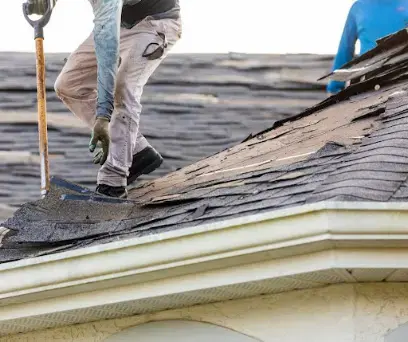
The restoration team dries the structure and documents the damage. A roofer repairs or tarps the roof, and a tarp or temporary repair keeps more rain from adding to the loss. Photos of the roof damage also help the claim.
Tornado and storm history
On April 26, 2024, an EF3 tornado crossed northeast Omaha, and it reached low-end EF2 strength at Eppley Airfield. The 1913 Easter Sunday tornado destroyed much of Midtown Omaha. An EF4 tornado hit Elkhorn on that date. Storms like these can leave roofs open to rain for days. Stained ceilings below are covered under ceiling leak water damage, and water that spread further is structural drying. The full list is on the Omaha water damage restoration page.
Coverage
Roof Leak Water Damage across Omaha, NE
The restoration team works the whole city: Downtown Omaha and the Old Market, Midtown, Dundee, Florence and East Omaha, along with corridors such as Abbott Drive and Interstate 29.
See every area servedQuestions
Roof Leak Water Damage questions in Omaha
Can hail cause a leak without visible damage?
Yes. Hail and wind can bruise shingles and lift flashing with no stain inside at first. Water then gets in during later rain. If a ceiling shows a spot after a storm, the leak path is worth tracing before more water follows.
How do I tell if the leak is from the roof?
A stain that grows during rain and dries between storms usually points to the roof. A stain that appears under a bathroom or that never dries points to plumbing. The drying team uses meters and thermal imaging to find the source.
Does a wet attic need attention?
Yes. Insulation holds water against the roof deck and ceiling for days, which keeps the damage spreading. Wet insulation is removed, and the framing is dried with air movers and dehumidifiers before anything is replaced.
Will insurance pay for storm leak damage?
Sudden storm damage is commonly covered, though wear and tear is not. Coverage depends on your policy, so photograph the roof and ceiling, keep the roofer's report and ask your insurer how the leak and the roof are handled.
Who repairs the roof?
A roofer repairs or replaces shingles and flashing. The restoration team dries the ceiling, walls and insulation and documents the damage, giving the roofer and the adjuster the same set of readings and photos.
How soon should a leaking ceiling be handled?
Soon. A bulging ceiling can hold a surprising amount of water, and drywall weakens as it stays wet. Staying out from underneath and calling quickly lets the crew release the water safely and limit the cut.
24/7 emergency dispatch
Roof leak in your Omaha home? Get the ceiling dried.
Storm water keeps spreading through insulation, ceilings and wall cavities. The drying team traces it, dries the structure to standard and keeps a record that supports the claim.