Drying to a reading
Structural Drying in Omaha, NE
Omaha has historic brick buildings in the Old Market, and 17.4% of its homes date to 1939 or earlier. The drying team dries old masonry and framing slowly, and reads moisture until it is dry.
(888) 599-2961Walls still damp? Call about structural drying- 24/7 dispatch
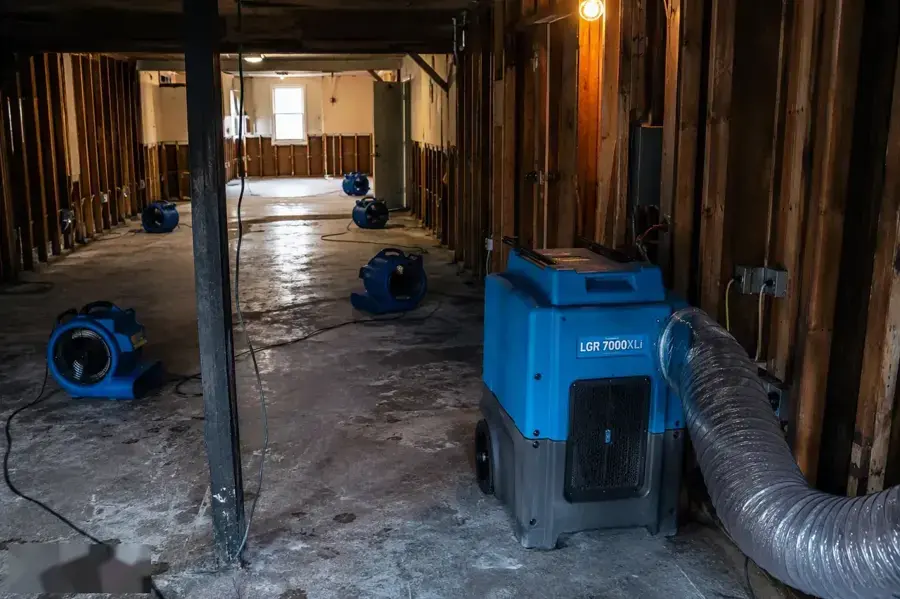
- Air movers and LGR dehumidifiers
- Daily moisture readings
MethodAir movers and LGR units
ProofDaily moisture readings
Local driverOlder masonry and framing
AvailabilityAround the clock
Structural drying is the long middle of a water loss: after the water is pulled out, the building still holds moisture in framing, subfloors and masonry. Omaha's older housing makes that stage matter, since 17.4% of units were built in 1939 or earlier.
How structural drying is handled in Omaha
- 1
Classify the loss
Water category and the class of materials set the equipment plan.
- 2
Place the equipment
Air movers and LGR dehumidifiers are set for each room's evaporation load.
- 3
Read every day
Moisture, temperature and humidity are logged, and units are moved as walls dry.
- 4
Release at the goal
Equipment comes out only when wet areas match a dry reference reading.
What does structural drying cost in Omaha, NE?
In Omaha, NE, structural drying commonly runs $1,000 to $6,000 on its own. The class of loss, the number of rooms in the drying zone, the equipment needed and how many days the readings take to reach the goal move the total.
One or two rooms
$1,000 to $2,500
- Equipment set
- Daily readings
- Dry goal verified
Basement or several rooms
$2,500 to $4,500
- More air movers
- Extra dehumidification
- Cavities dried
Class 4 materials
$4,500 to $6,000+
- Plaster and masonry
- Longer drying run
- Extended monitoring
For a closer planning number, try the water damage cost calculator. A firm figure comes after the walkthrough and moisture map.
How the drying plan is built
The plan starts with the class of loss and the materials involved. Thin carpet and drywall release water quickly, while plaster, hardwood and thick masonry hold it. The crew sizes air movers to each room, adds LGR dehumidifiers to pull the moisture from the air and keeps the space closed so the equipment works on the structure, not the weather. Hidden pockets, such as the cavity behind a wall or the space under a floor, get their own readings, since a dry surface says little about what lies behind it.
Old buildings dry differently
- Brick and stone release water slowly, so drying runs longer
- Plaster over lath dries from both faces and needs patience
- Old hardwood floors can cup if dried too fast
- Thick walls hide wet cores long after the surface feels dry
- Brick-paved streets and converted warehouses in the Old Market hold moisture in thick walls
Readings, not guesses
Equipment leaves when wet areas read within 2 to 4 points of a dry reference in the same building. The drying team logs temperature, humidity and moisture each day, and that log becomes part of the claim file.
Where it fits
The Old Market Historic District was listed on the National Register of Historic Places in 1979, and its brick buildings are a reminder of how much old masonry Omaha holds. Structural drying follows water extraction on almost every job, and it pairs with basement flooding cleanup. Use the drying time estimator for a rough timeline. The whole list is on the Omaha water damage restoration page.
Coverage
Structural Drying across Omaha, NE
The restoration team works the whole city: Downtown Omaha and the Old Market, Midtown, Dundee, Florence and East Omaha, along with corridors such as Abbott Drive and Interstate 29.
See every area servedQuestions
Structural Drying questions in Omaha
How long does structural drying take?
There is no fixed number of days. A contained loss in newer drywall can finish in three to five days, while plaster, hardwood and old masonry take longer. The drying team reads moisture daily and removes equipment only at the goal.
What is an LGR dehumidifier?
LGR stands for low grain refrigerant. These units pull water out of the air at lower humidity than a household unit can, which keeps the drying going as the room gets dry. They run alongside air movers.
Why are the machines so loud and so many?
Each room needs enough air movement across wet surfaces and enough dehumidification to carry the water away. The number depends on the room size and the materials, and equipment is added or removed as readings change.
Does an old brick building take longer?
Often, yes. Brick, stone and plaster hold water and release it slowly. Omaha's Old Market is full of historic brick buildings, so drying there is paced by the masonry, not the calendar.
How do I know it is dry?
The crew compares wet areas to a dry reference reading in the same building, and equipment stays until they match. The daily log of readings is the proof, and it supports the insurance claim.
Can I rebuild before drying ends?
No. Closing up wet framing traps moisture and invites odor and mold. Rebuilding starts only after the readings reach the goal, which is why mitigation and repair are separate stages.
24/7 emergency dispatch
Wet structure in your Omaha building? Start the drying.
Moisture hides in framing, subfloors and masonry long after the standing water is gone. The drying team plans the equipment, reads the walls daily and releases the job only at a dry reading.