Seepage after the thaw
Foundation Seepage Cleanup in Omaha, NE
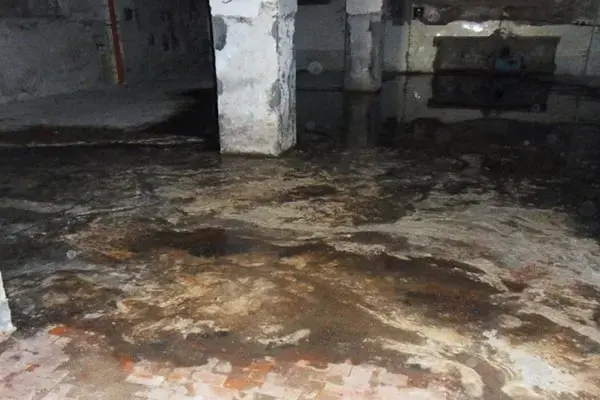
Frozen ground does not drink meltwater, so after a hard winter it can push toward foundations and into lower levels. The crew locates where seepage traveled, removes the water and dries to a measured goal.
(888) 599-2961Wet corner after snowmelt? Call about seepage- 24/7 dispatch
- Thermal scans of each wall
- Daily moisture log
Water typeGray, Category 2
First signWetness at the wall foot
Local driverFrozen, then soaked ground
AvailabilityRound the clock
Seepage makes no noise and breaks no pipe. Groundwater simply finds a way through a foundation wall or up beside the slab. The March 2019 flood showed how it happens: a record 27 inches of February snow, frost nearly two feet deep and about three inches of rain left meltwater with few places to soak in.
How foundation seepage cleanup is handled in Omaha
- 1
Scan each wall
A thermal camera and moisture meters trace every outer wall to where wet meets dry.
- 2
Cut out the soaked layer
Carpet pad, baseboard and the lowest drywall come out only as far as readings require.
- 3
Give masonry extra time
Block and concrete hold water, so dehumidifiers and air movers stay on longer.
- 4
Log the entry point
Dated photos and readings show where water came in, useful to a foundation specialist and the claim.
What does foundation seepage cleanup cost in Omaha, NE?
Budget $800 to $5,000 for foundation seepage cleanup in Omaha, NE. A single damp unfinished wall lands low, while a finished room that soaked for weeks lands high.
Single bare wall
$800 to $1,800
- Wet zone mapped
- Pooled water pumped
- Masonry dried
Finished room
$1,800 to $3,500
- Carpet pad lifted
- Lower drywall cut
- Wall cavities aired
Weeks of moisture
$3,500 to $5,000+
- Multiple walls opened
- Antimicrobial wash
- Prolonged dehumidifying
For a closer planning number, try the water damage cost calculator. A firm figure comes after the walkthrough and moisture map.
How to recognize it
- Wetness along the foot of a foundation wall after a thaw or a long rain
- A pale mineral crust on bare block or concrete
- Puddling beside the slab edge with no plumbing leak nearby
- Carpet that is damp around the room's perimeter yet dry toward the middle
- A cellar smell that comes back each wet season
Why it stays hidden
Carpet pad and the lowest edge of finished walls act like wicks, and boxes stacked on the floor soak up water without a visible mark. A thermal scan along each exterior wall, backed by moisture meters, shows the boundary between wet and dry. Soaked pad and the first few inches of drywall are usually removed so the wall cavity can breathe. Concrete and block release moisture slowly, which keeps dehumidifiers running longer than they would after a plain supply leak.
A dry wall is not a sealed wall
Drying the room repairs the damage, not the cause. Keeping water out is work for a foundation specialist, who deals with grading, downspout extensions, perimeter drains and sump systems.
Low ground beside the river
East Omaha sits on a flood plain west of the Missouri River, near Eppley Airfield and Carter Lake, an oxbow left when the March 1877 flood moved the river. Ground that stays wet holds water against walls for longer. After a thaw, the basement seepage risk check is a quick screen. A pump overwhelmed by the water is sump pump failure cleanup, seepage that pools is basement flooding cleanup, and the full list is on the Omaha water damage restoration page.
Coverage
Foundation Seepage Cleanup across Omaha, NE
The restoration team works the whole city: Downtown Omaha and the Old Market, Midtown, Dundee, Florence and East Omaha, along with corridors such as Abbott Drive and Interstate 29.
See every area servedQuestions
Foundation Seepage Cleanup questions in Omaha
Does a little dampness after rain matter?
Often it fades on its own. It matters when moisture has reached carpet, drywall or boxes, because those materials can sour within days. If anything finished got wet, a moisture scan before the next rain shows how far it went.
Why would frozen ground cause seepage?
Frost keeps meltwater and rain from soaking down, so it runs along the surface toward the house. In March 2019 frost reached nearly two feet. When that ground thaws and fills, it presses on walls and finds the weakest spot, often the slab edge.
Can walls stay closed while they dry?
Bare concrete and block dry in place with dehumidifiers and moving air. Finished walls usually need the baseboard and a low strip of drywall opened, with the cut kept as short as the meters permit.
Does insurance treat seepage as a covered loss?
Slow seepage and groundwater are often excluded from standard homeowners policies, while flood coverage follows its own rules. Coverage depends on your policy, so call your insurer before work begins and keep every photo and reading.
Could it be sewage instead?
Occasionally the two look alike. Sewage is black water and needs a different protocol, so the crew confirms the source first. If water rises from a floor drain, see sewage backup cleanup.
Who stops it from returning?
A foundation or drainage contractor works on grading, perimeter drains and sealing. The restoration crew dries the space and records the entry point, giving that contractor a place to start.
24/7 emergency dispatch
Wet foundation wall in Omaha? Get the space dried right.
Hidden moisture keeps wicking into carpet, trim and drywall until the boundary is found. The drying team scans for it, removes what cannot recover and keeps equipment running until the walls read dry.