When the pit overflows
Sump Pump Failure Cleanup in Omaha, NE
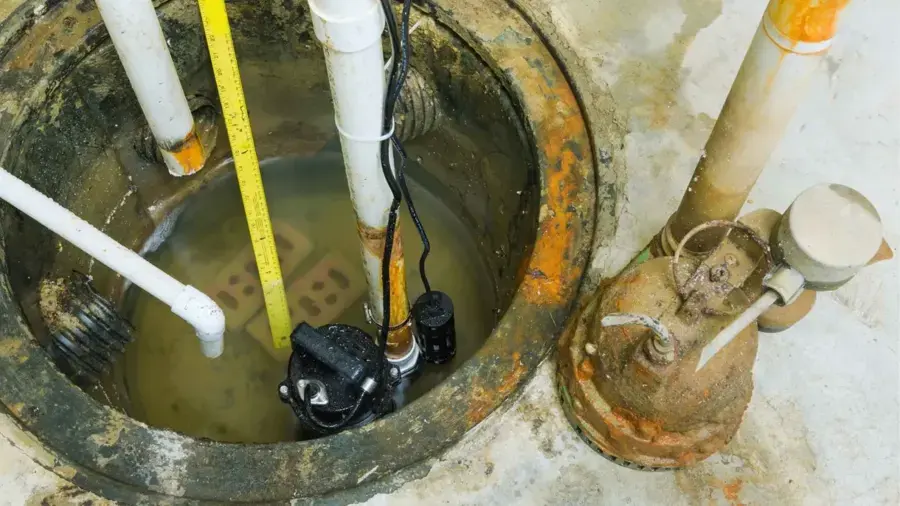
A sump pump matters most when the ground is saturated, and Omaha gets about 30.6 inches of precipitation and 28.7 inches of snow a year. When the pit overflows, the crew extracts and dries the floor.
(888) 599-2961Pit overflowing? Call about the cleanup- 24/7 dispatch
- Truck-mounted extraction
- Moisture readings daily
Water typeGray water, often silty
TriggerPump failure or a power outage
Peak seasonStorms and spring thaw
AvailabilityAround the clock
A sump pump works only when it has power, a working float and a clear discharge. No Omaha-specific failure data is on file, but the climate sets the stakes: a year brings about 30.6 inches of precipitation, plus snowmelt that has to go somewhere.
How sump pump failure cleanup is handled in Omaha
- 1
Find the cause
The crew checks whether the pump, power or discharge failed, and how far water spread.
- 2
Extract the overflow
Pumps and wands remove water from the slab, carpet and low corners.
- 3
Sort what gets removed
Silty pad and wet drywall come out, and sewage-touched items become Category 3.
- 4
Dry to a reading
Air movers and LGR units run with daily readings until walls match a dry reference.
What does sump pump failure cleanup cost in Omaha, NE?
In Omaha, NE, sump pump failure cleanup commonly runs $1,200 to $7,500. A small overflow caught early sits low; deep water in a finished room, or silt and sewage in the mix, sits high.
Caught early
$1,200 to $2,500
- Pit area extracted
- Slab and base dried
- Readings logged
Finished room
$2,500 to $5,000
- Pad and low drywall cut
- Cavities dried
- Contents moved
Deep overflow
$5,000 to $7,500+
- Silt removed
- Antimicrobial applied
- Extended drying
For a closer planning number, try the water damage cost calculator. A firm figure comes after the walkthrough and moisture map.
Why a pump fails when it is needed most
- A power outage during a storm stops the motor just as the pit fills
- A stuck float switch never signals the pump to run
- A clogged or frozen discharge pipe gives the water nowhere to go
- An old pump simply wears out after years of cycling
- Rain falls faster than a single pump can move it
What the overflow leaves behind
Pit water is gray water at best, and a flooded pit can be a warning that the ground around the house is already saturated. It carries silt and whatever the soil and the drain system hold, and it soaks carpet, pad and the base of the walls. Sewage can join it if a drain is also backing up, which turns the job into Category 3 work and changes what has to come out.
A pump is not a flood plan
Replacing the pump stops the next overflow, but it does not dry the room that already got wet. The drying team handles the wet floor, walls and contents, and a plumber handles the pump.
Storm and thaw timing
March 2019 showed the pattern: a record 27 inches of snow in February, frozen ground with frost nearly two feet deep and about three inches of rain left runoff nowhere to soak in. Test the pump before spring and after any outage. A wet floor that grows into a flood is basement flooding cleanup, and slow dampness at the wall is foundation seepage cleanup. The full list is on the Omaha water damage restoration page.
Coverage
Sump Pump Failure Cleanup across Omaha, NE
The restoration team works the whole city: Downtown Omaha and the Old Market, Midtown, Dundee, Florence and East Omaha, along with corridors such as Abbott Drive and Interstate 29.
See every area servedQuestions
Sump Pump Failure Cleanup questions in Omaha
Why does a pump quit during a storm?
The usual causes are a power outage, a stuck float, a blocked discharge or a worn motor. Storms add heavy inflow at the same moment that outages hit, so a pump that worked fine in dry weather can fail when it matters most.
Is sump pit water considered clean?
No. Overflow water is gray water at best, since it carries silt and contaminants from the ground and the drain system. Carpet and pad it soaks are usually removed or cleaned, and sewage in the mix raises it to Category 3.
Can the room dry on its own?
Not safely. Concrete and framing hold moisture after the surface looks dry, and a damp lower level breeds odor and mold. The drying team uses meters and dehumidifiers to find and remove the hidden moisture.
Does insurance cover a failed sump pump?
Many policies exclude it unless a specific endorsement is added. Coverage depends on your policy, and the cause of the water matters, so photograph the pit, the pump and the damage and ask your insurer before work starts.
Who fixes the pump itself?
A plumber or waterproofing contractor handles the pump, float and discharge. The restoration team dries the room and records what happened, which gives that contractor a clear picture of how much water came in.
How can another overflow be avoided?
Test the pump before spring and after outages, keep the discharge clear, and consider a battery backup. Gutters and downspouts that empty away from the house cut the load. None of that replaces drying a floor that is already wet.
24/7 emergency dispatch
Sump pit overflowing in Omaha? Start the dry-out now.
Silty overflow keeps soaking pad, drywall and the base of the walls. The extraction crew removes it, the drying team dries the space to standard, and the claim file grows.