Burst pipe water removal
Burst Pipe Cleanup in Council Bluffs, IA
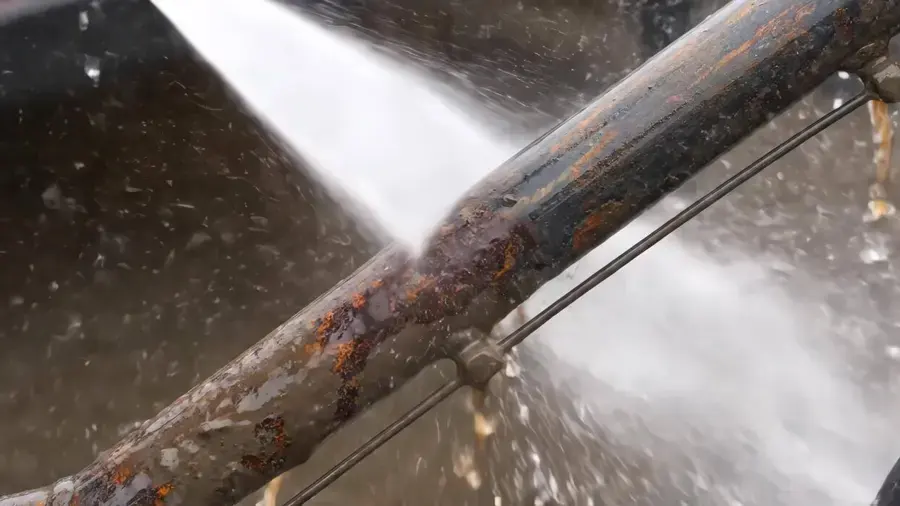
A burst pipe moves a lot of clean water fast, and it does not stay clean for long. The extraction crew gets it out while it is still Category 1, then the drying team dries every room it reached.
(888) 599-2961Speak with Council Bluffs 24/7 dispatch- IICRC S500 drying standard
- Truck-mounted extraction
- Daily moisture readings
Water categoryCategory 1 at first
Common causeOld galvanized pipe
Drying standardIICRC S500
Availability24/7, every day
Not every burst is a freeze. Many older Council Bluffs homes, especially around downtown and the West End, still carry galvanized steel pipe that rusts from the inside out until a joint lets go. Copper pipe gets pinhole leaks where the water is hard. Push-fit fittings and old shutoff valves fail under pressure. A burst pipe on the first floor drains straight into the basement ceiling, so one break usually means two levels of water damage.
How burst pipe cleanup is handled in Council Bluffs
- 1
Map the path
The tech who does the walkthrough follows the water from the break to every room below it.
- 2
Extract fast
The extraction crew pulls water while it is still clean.
- 3
Open hidden wet spots
Wet insulation, flooring and low drywall come out where readings stay high.
- 4
Dry both levels
Air movers and LGR dehumidifiers run on each wet floor until the drying goal is met.
What does burst pipe cleanup cost in Council Bluffs, IA?
In Council Bluffs, IA, burst pipe cleanup typically runs $1,000 to $7,500, depending on how long the pipe ran, whether the water reached the basement ceiling below, and how much flooring and drywall has to come out.
One room
$1,000 to $2,500
- Extraction
- Floor and wall drying
- Daily readings
Two levels
$2,500 to $5,000
- Basement ceiling opened
- Cavity drying
- Flooring removal
Long-running burst
$5,000 to $7,500+
- Several rooms
- Hardwood drying
- Extended dehumidification
For a closer planning number, try the water damage cost calculator. A firm figure comes after the walkthrough and moisture map.
The first hour after a pipe bursts
Shut the main, open a faucet on the lowest level to drain the pressure, and switch off breakers for any wet rooms if the panel is dry. Clean water from a supply pipe starts as Category 1, but it picks up contamination from floors, wall cavities and the basement as it sits. After a day or two it is treated as Category 2. That is why the extraction crew moves quickly on a burst pipe.
How the water travels
- Through the subfloor and into the basement ceiling below
- Down inside wall cavities to the bottom plate
- Under laminate, vinyl plank and tile, where it hides
- Along joists before it drips, so the wet spot below is not always under the break
Moisture mapping follows that path. The tech who does the walkthrough checks the ceiling below, the wall cavities and the flooring with pinless meters and thermal imaging, and marks the wet edge before any equipment goes down.
Old pipe often fails twice
If one galvanized joint has rusted through, others nearby are usually close behind. After the dry-out, ask a plumber to look at the rest of the run before the walls are closed up again.
Drying and putting it back
Air movers and LGR dehumidifiers dry the rooms and the cavities, and daily readings show when the structure reaches the drying goal. Repairs to drywall and flooring come after the structure is dry, never before. If the burst was caused by ice, see frozen pipe cleanup; if it came down through a ceiling, see ceiling leak water damage. The EPA WaterSense program has tips on finding hidden household leaks, and the Energy Saver pages cover pipe insulation.
Coverage
Burst Pipe Cleanup across Council Bluffs and nearby towns
The Council Bluffs restoration crew covers the river bottoms and the bluffs alike, from the West End and Lake Manawa to the Fairmount Park hills, plus Carter Lake, Crescent, Treynor, Underwood, McClelland, Neola and the rest of Pottawattamie County. ZIP codes 51501, 51502 and 51503.
See every area and ZIP coveredRelated water damage services
Questions
Burst Pipe Cleanup questions in Council Bluffs
A pipe just burst. What do I do first?
Shut off the main water valve, open a faucet on the lowest level to relieve pressure, and switch off breakers for wet rooms if you can reach a dry panel. Then photograph the damage and call for extraction.
Why did my pipe burst when it was not freezing?
Corrosion inside old galvanized pipe, pinhole leaks in copper, high water pressure and failing fittings or valves all cause bursts. In older Council Bluffs homes, corrosion is the most common reason.
Is burst pipe water safe?
Water from a supply pipe starts clean, but it picks up contamination from floors and cavities as it sits. After a day or two it is handled as Category 2 water.
Will insurance cover a burst pipe?
Sudden and accidental pipe bursts are commonly covered, while slow leaks over time and the cost of the pipe repair itself often are not. Coverage depends on the policy, so it is worth checking with your own insurer.
Do the walls have to be torn out?
Usually only partly. Small access holes, removal of wet insulation and a low drywall cut are often enough for the cavity to dry. Readings decide how much comes out.
How long does it take to dry after a burst pipe?
A contained loss commonly dries in three to five days. Two-level losses, plaster, and hardwood floors take longer, and equipment leaves when the readings reach the drying goal.
24/7 emergency dispatch
Burst Pipe Cleanup in Council Bluffs, around the clock
Standing water keeps moving into wood, drywall and insulation. The restoration team extracts it, dries the structure to the IICRC S500 standard and documents every step for the claim.
(888) 599-2961Get a Council Bluffs restoration pro on the phone
Council Bluffs, IA · Find us on Google