Hail, wind and ice dam leaks
Roof Leak Water Damage in Council Bluffs, IA
When hail or an ice dam opens the roof, water soaks the attic insulation long before it stains a ceiling. The drying team traces it from the roof deck down and dries every layer it reached.
(888) 599-2961Speak with Council Bluffs 24/7 dispatch- IICRC S500 drying standard
- Truck-mounted extraction
- Daily moisture readings
Local causesHail, wind, ice dams
First wet layerAttic insulation
Drying standardIICRC S500
Availability24/7, every day
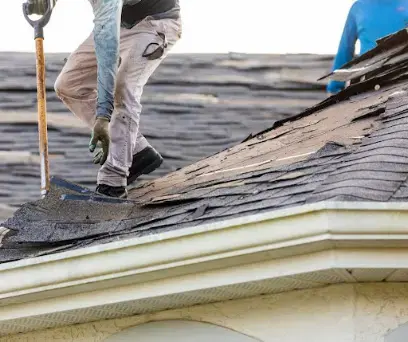
Western Iowa storms bring hail and damaging straight winds, and Council Bluffs winters bring ice dams on older roofs with thin attic insulation. Either one lets water in through the roof envelope: lifted shingles, cracked flashing, damaged vents or snowmelt that backs up under the shingles at the eaves. The water lands on the attic insulation first, soaks through to the ceiling drywall and runs along rafters, so the stain inside rarely sits right under the hole in the roof.
How roof leak water damage is handled in Council Bluffs
- 1
Cover the opening
An emergency tarp or board-up stops more water from getting in.
- 2
Trace from the top
The tech who does the walkthrough follows the water from the roof deck through the insulation to the ceiling.
- 3
Remove the sponge
Soaked insulation and sagging drywall come out in a controlled way.
- 4
Dry the frame
Air movers and dehumidifiers dry rafters, sheathing and walls to the drying goal.
What does roof leak water damage cost in Council Bluffs, IA?
In Council Bluffs, IA, roof leak water damage cleanup typically runs $800 to $6,000, depending on how much attic insulation got soaked, whether ceilings have to come down, and how many rooms the water reached.
Small leak
$800 to $2,000
- Tarp and moisture mapping
- Attic drying
- Spot ceiling drying
Insulation and ceiling
$2,000 to $4,000
- Wet insulation removed
- Ceiling section taken down
- Framing drying
Storm damage, several rooms
$4,000 to $6,000+
- Multiple ceilings
- Wall cavity drying
- Contents protection
For a closer planning number, try the water damage cost calculator. A firm figure comes after the walkthrough and moisture map.
Roof leak versus ceiling leak
A roof leak comes from outside, through the roof deck and attic, and usually shows up after rain or a thaw. A ceiling leak comes from inside: a bathroom, tub or pipe on the floor above. The difference matters because roof water can carry debris and runs across insulation, while an interior leak is usually clean water from one point.
What the drying team checks
- Attic insulation, which mats down and stops insulating once soaked
- Roof sheathing and rafters for wet spots and staining
- Ceiling drywall, which sags when it holds water
- Top plates and wall cavities where water ran down the inside of exterior walls
- Light fixtures and fans in the wet area, which stay off until checked
Wet blown or batt insulation usually comes out, because it holds water and loses its value. Sagging ceiling drywall is taken down in a controlled way before it falls. The framing and roof deck are dried with air movers and dehumidifiers, and readings are recorded each day.
Tarp first, dry second
A roof that is still open keeps re-wetting everything below it. An emergency tarp or board-up goes on before interior drying starts, and the permanent roof repair comes from a roofer.
Ice dams and hail in Council Bluffs
Ice dams form when heat escaping through the attic melts snow that refreezes at the cold eaves. Better attic insulation and ventilation are the long-term fix, covered on the Department of Energy Energy Saver pages. Hail and severe storm warnings for the area come from the National Weather Service Omaha/Valley office. If the storm also pushed water in at ground level, see storm flood cleanup.
Coverage
Roof Leak Water Damage across Council Bluffs and nearby towns
The Council Bluffs restoration crew covers the river bottoms and the bluffs alike, from the West End and Lake Manawa to the Fairmount Park hills, plus Carter Lake, Crescent, Treynor, Underwood, McClelland, Neola and the rest of Pottawattamie County. ZIP codes 51501, 51502 and 51503.
See every area and ZIP coveredRelated water damage services
Questions
Roof Leak Water Damage questions in Council Bluffs
Water is dripping from my ceiling during a storm. What should I do?
Put a bucket under the drip and, if the ceiling is bulging, poke a small hole in the center of the bulge to let the water out in a controlled way. Keep away from wet light fixtures and switch off that circuit. Then call to get the roof tarped and the attic dried.
Why is the stain far from where the roof is damaged?
Water runs along rafters, roof sheathing and the top of the insulation before it soaks through. The stain shows where it finally came through the ceiling, not where it got in.
Does wet attic insulation have to be replaced?
Usually. Soaked insulation mats down and holds water against the ceiling drywall. It is removed, the attic framing is dried, and new insulation goes in once the roof is fixed.
Is roof leak damage covered by insurance?
Sudden damage from hail or wind is commonly covered, while leaks from an old, worn roof often are not. Ice dam coverage varies. Coverage depends on the policy, so it is worth checking with your own insurer.
Do you fix the roof too?
The restoration team handles the emergency tarp, extraction and drying inside the home. A roofing contractor does the permanent roof repair.
How long does it take to dry after a roof leak?
Most contained roof leaks dry in three to five days once the roof is covered. Plaster ceilings in older Council Bluffs homes and soaked attic framing can take longer.
24/7 emergency dispatch
Roof Leak Water Damage in Council Bluffs, around the clock
Standing water keeps moving into wood, drywall and insulation. The restoration team extracts it, dries the structure to the IICRC S500 standard and documents every step for the claim.
(888) 599-2961Get a Council Bluffs restoration pro on the phone
Council Bluffs, IA · Find us on Google