Basement seepage cleanup
Foundation Seepage Cleanup in Council Bluffs, IA
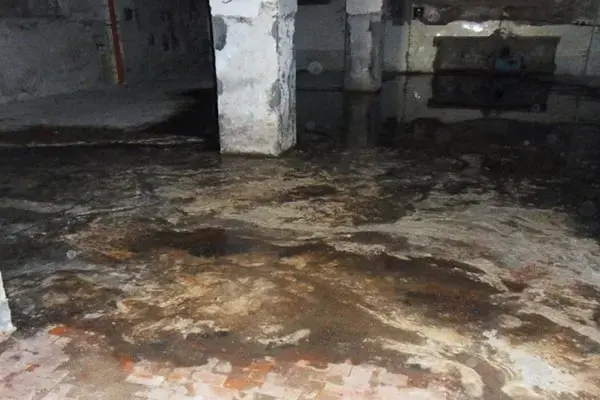
Seepage is slow, quiet water: a damp stripe along the wall, a puddle at the floor joint after rain. The drying team finds how far it reached and dries the basement to a verified reading.
(888) 599-2961Speak with Council Bluffs 24/7 dispatch- IICRC S500 drying standard
- Truck-mounted extraction
- Daily moisture readings
Water typeGroundwater, Category 2
WhereWall to floor joint
Local driverHigh river, wet springs
Availability24/7, every day
Seepage is not a burst or a flood. It is groundwater pushing through a basement wall or up through the joint where the wall meets the slab. In Council Bluffs it shows up most on the west side, where homes sit on Missouri River bottomland and the water table rises with the river and with wet springs. During the long 2011 Missouri River flood, the river stayed high for months, and basements across the floodplain dealt with groundwater even though the levees held. Seepage also happens up on the bluffs, where loess soil channels runoff toward foundations.
How foundation seepage cleanup is handled in Council Bluffs
- 1
Map every wall
Thermal imaging and pinless meters run along each exterior wall to find the wet edge.
- 2
Remove what holds water
Wet pad, baseboard and low drywall come out where readings demand it.
- 3
Dry the masonry
LGR dehumidifiers run longer on block and stone, which give up water slowly.
- 4
Document the cause
Photos and readings record the seepage path for the waterproofing contractor and the claim file.
What does foundation seepage cleanup cost in Council Bluffs, IA?
In Council Bluffs, IA, foundation seepage cleanup typically runs $800 to $5,000, depending on how many walls are wet, whether the basement is finished, and how long the seepage went unnoticed.
One wall, unfinished
$800 to $1,800
- Moisture mapping
- Extraction
- Masonry drying
Finished basement
$1,800 to $3,500
- Pad and baseboard removal
- Low drywall cuts
- Cavity drying
Long-term seepage
$3,500 to $5,000+
- Several walls opened
- Antimicrobial treatment
- Extended dehumidification
For a closer planning number, try the water damage cost calculator. A firm figure comes after the walkthrough and moisture map.
Signs of seepage in a Council Bluffs basement
- A wet band along the bottom of block or stone walls after rain
- White, chalky efflorescence on the wall surface
- Water appearing at the wall to floor joint with no plumbing leak nearby
- Carpet that is damp at the edges of the room but dry in the middle
- A musty smell that comes back every spring
How seepage cleanup differs from a flood
Because seepage is slow, the damage hides. Carpet pad, the bottom of finished walls and stored boxes can stay wet for weeks before anyone notices. The tech who does the walkthrough uses thermal imaging and pinless meters along every exterior wall to find the wet edge, then the extraction crew removes any standing water. Wet pad, baseboard and the lower drywall usually come out on finished walls so the cavity can dry. Block and stone walls get dehumidification for longer than a clean pipe leak would need, because masonry gives up water slowly.
Drying is not waterproofing
The restoration team dries the basement and documents the damage. Stopping the groundwater for good is a separate job for a foundation or waterproofing contractor, through grading, gutters, drain tile or a sump system.
Keeping groundwater out
Start outside: extend downspouts, slope soil away from the house and keep window wells clear. A working sump pump matters on the floodplain. Current Missouri River and stream levels are posted by the USGS water data service, and the National Weather Service Omaha/Valley office issues river flood warnings. If seepage turns into standing water, see basement flooding cleanup.
Coverage
Foundation Seepage Cleanup across Council Bluffs and nearby towns
The Council Bluffs restoration crew covers the river bottoms and the bluffs alike, from the West End and Lake Manawa to the Fairmount Park hills, plus Carter Lake, Crescent, Treynor, Underwood, McClelland, Neola and the rest of Pottawattamie County. ZIP codes 51501, 51502 and 51503.
See every area and ZIP coveredRelated water damage services
Questions
Foundation Seepage Cleanup questions in Council Bluffs
Is a little seepage after rain really a problem?
A damp stripe that dries on its own may be minor, but seepage that soaks carpet pad, drywall or stored items keeps those materials wet long enough for mold growth and odor. If water reaches finished materials, it is worth having the moisture mapped.
Why does my basement seep when the Missouri River is high?
On the floodplain, groundwater rises and falls with the river and with how wet the season is. When the water table climbs above the basement floor level, water pushes through the easiest path, usually the wall to floor joint and mortar cracks.
Can seepage be dried without tearing out walls?
Unfinished block and stone walls dry in place. On finished walls, the bottom of the drywall and the baseboard often come out so the cavity behind can dry, and the cut is kept as low as the readings allow.
Is seepage covered by insurance?
Gradual seepage and groundwater are commonly excluded on homeowners policies, and flood coverage has its own rules. Coverage depends on the policy, so it is worth checking with your own insurer.
Will a dehumidifier alone fix it?
A household dehumidifier helps with humidity but cannot dry saturated pad or wall cavities. Commercial LGR units, air movers and removal of soaked materials are what bring a seeping basement back to a dry reading.
Who stops the water from coming back?
A waterproofing or foundation contractor handles drain tile, sealing and grading. The restoration team dries the space and documents the damage, then you fix the cause.
24/7 emergency dispatch
Foundation Seepage Cleanup in Council Bluffs, around the clock
Standing water keeps moving into wood, drywall and insulation. The restoration team extracts it, dries the structure to the IICRC S500 standard and documents every step for the claim.
(888) 599-2961Get a Council Bluffs restoration pro on the phone
Council Bluffs, IA · Find us on Google