Street and river water
Storm Flood Cleanup in Omaha, NE
City of Omaha documents tie heavy rain to street flooding, and the Missouri River has flooded the area before. The crew removes storm water as Category 3, then dries the structure to a reading.
(888) 599-2961Flood water inside? Call about storm cleanup- 24/7 dispatch
- Category 3 protocol
- Daily moisture readings
Water typeCategory 3, contaminated
SourcesStreet, creek and river water
Local driverHeavy rain and river rises
AvailabilityAround the clock
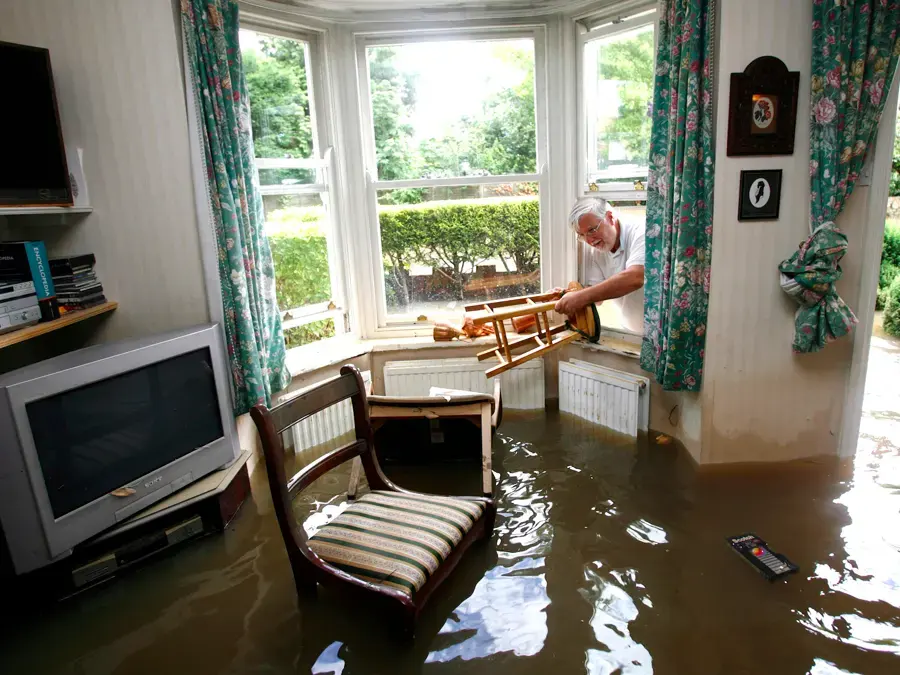
Storm water enters a building carrying whatever it crossed on the way. City of Omaha planning documents say heavy rain can cause street flooding and sewer backups, and a severe thunderstorm watch for the Omaha area on June 25, 2024 named hail, strong wind and flooding as the main threats.
How storm flood cleanup is handled in Omaha
- 1
Protect the crew
Protective suits, gloves and respirators go on before anyone enters contaminated water.
- 2
Pump and remove
Extraction clears the water, then silt and soaked porous materials are bagged out.
- 3
Clean and disinfect
Surfaces get an EPA-registered antimicrobial before any drying equipment is set.
- 4
Dry to a reading
Air movers and LGR units run, with readings logged each day to a dry reference.
What does storm flood cleanup cost in Omaha, NE?
In Omaha, NE, storm flood cleanup commonly runs $3,000 to $15,000 or more. Water depth, the number of rooms and how much contaminated drywall and flooring has to come out move the total.
Shallow, one area
$3,000 to $6,000
- Water extracted
- Soaked flooring removed
- Surfaces disinfected
Basement or main floor
$6,000 to $11,000
- Drywall cut above the water
- Cavities dried
- Contents logged
Deep or whole level
$11,000 to $15,000+
- Containment and HEPA air
- Several rooms rebuilt later
- Extended structural drying
For a closer planning number, try the water damage cost calculator. A firm figure comes after the walkthrough and moisture map.
Why storm water is Category 3
Overland water crosses streets, yards and drains before it reaches a floor, so it is treated as contaminated from the start. Porous materials it soaked, such as carpet, pad and drywall, are removed rather than dried. Hard surfaces are cleaned and disinfected. Standing water often carries silt that dries into a crust, which is another reason pumping starts early.
Rivers and creeks around Omaha
- The Missouri River flooded the area in 2011 and again in March 2019
- In 2011, officials said the northeast Omaha levee would overtop if the river reached 40 feet
- About 2,700 Omaha residents faced possible evacuation in 2011
- Overflow points from the city sewer system drain to the river and to Papillion Creek tributaries
Stay out until it is safe
Floodwater can hide live outlets, sharp debris and sewage. Stay out of rising water, do not run electrical appliances in wet areas and let the crew decide what is safe to enter.
After the water recedes
Mud and silt are removed, wet materials are bagged and the structure is dried with air movers and dehumidifiers. Water that rose through a drain is covered under sewage backup cleanup, and what fills a lower level is basement flooding cleanup. The whole list is on the Omaha water damage restoration page.
Papillion Creek tributaries and the Missouri River both take overflow from the city system, which is one more reason a flood after storms is rarely just rain. Treat every wet area as contaminated until the crew has tested and cleaned it.
Coverage
Storm Flood Cleanup across Omaha, NE
The restoration team works the whole city: Downtown Omaha and the Old Market, Midtown, Dundee, Florence and East Omaha, along with corridors such as Abbott Drive and Interstate 29.
See every area servedQuestions
Storm Flood Cleanup questions in Omaha
Why is storm water treated as contaminated?
It runs over streets, yards and drains before it enters a building, so it can carry bacteria, chemicals and sewage. That makes it Category 3. Porous materials it soaked come out, and everything that stays is cleaned and disinfected.
Does a river flood differ from street flooding?
The water is similar, but the scale is not. A river rise can keep ground saturated for months, as in 2011, while street flooding after heavy rain recedes sooner. Both are handled as Category 3 and documented for the claim.
Is flood damage covered by homeowners insurance?
Rising surface or river water usually needs flood coverage rather than a standard homeowners policy. In 2019, Douglas County had 225 flood claims totaling $8.3 million. Coverage depends on your policy, so check with your insurer.
Can I start cleaning before help arrives?
Photograph the high-water mark first, then limit yourself to safe tasks. Do not run appliances or wade through water near outlets. Leaving drywall, carpet and pad in place for the crew keeps the record clean and the work safe.
What happens to carpet and drywall?
Carpet, pad and drywall that touched storm water are removed, because they cannot be cleaned reliably. Hard materials such as concrete and sealed tile are cleaned, disinfected and dried in place.
How soon after a storm should drying start?
As soon as safety allows. Wet materials start to break down within a day or two, and mold can begin within 24 to 48 hours. Early extraction shortens the drying job and keeps the removal area smaller.
24/7 emergency dispatch
Storm water in your Omaha home? Start the cleanup.
Contaminated water keeps soaking into drywall, flooring and framing. The extraction crew removes it safely, the drying team dries the structure to standard, and every step is logged for the claim.