Business water losses
Commercial Water Damage in Omaha, NE
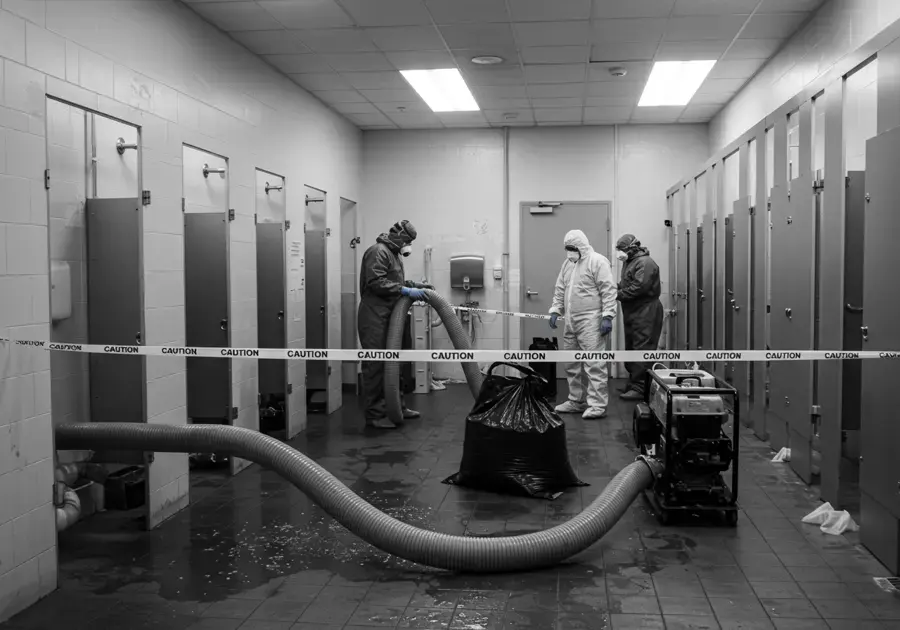
Omaha has converted Old Market warehouses, downtown headquarters and hospital campuses. The extraction crew clears water from commercial space, and the drying team dries it in phases to limit downtime.
(888) 599-2961Water in the building? Call about commercial dry-out- 24/7 dispatch
- Phased drying plans
- Daily moisture readings
Property typesOffices, stores, warehouses
PlanPhased, around operations
Local driverLarge, varied building stock
AvailabilityAround the clock
Commercial water losses are not just a bigger version of a home leak. Omaha has historic Old Market warehouse conversions, headquarters downtown and hospital campuses, plus hangars at Eppley Airfield, and each building type brings different floors, walls and priorities.
How commercial water damage is handled in Omaha
- 1
Assess every zone
Meters and a thermal camera map wet floors, walls and ceilings across suites.
- 2
Extract in phases
Truck-mounted and portable units clear water zone by zone to keep space open.
- 3
Contain and dry
Barriers, air movers and LGR dehumidifiers dry each phase to a reading.
- 4
Report to the manager
Daily readings and photos are shared for the property manager and the claim.
What does commercial water damage cost in Omaha, NE?
In Omaha, NE, commercial water damage restoration commonly runs $3,000 to $30,000 or more. Square footage, flooring and wall types, the water category and work scheduled around business hours move the total.
Small office or store
$3,000 to $8,000
- One suite mapped
- Water extracted
- Carpet tile dried
Multi-room or multi-tenant
$8,000 to $18,000
- Phased drying zones
- Ceiling and wall cuts
- Containment barriers
Large or contaminated
$18,000 to $30,000+
- Category 3 protocol
- Several floors or wings
- Extended monitoring
For a closer planning number, try the water damage cost calculator. A firm figure comes after the walkthrough and moisture map.
What commercial jobs need
- A plan that keeps unaffected areas open
- Extraction sized to large floor plates and long corridors
- Containment so dust and odor stay out of working space
- Records detailed enough for a property manager and an insurer
Buildings dry differently
A converted warehouse with brick walls and heavy timber does not dry like a drop-ceiling office. Concrete slabs, carpet tile and thick masonry release water on different schedules, and tenant spaces may share ducts and walls. The crew maps each zone and sets equipment so one wet suite does not become three, and chooses where a heavy-duty unit can sit without blocking an exit.
Phasing protects operations
The drying team can work through floors, wings or suites in order, so a lobby, a loading area or a clinic corridor reopens first. Daily readings let the manager see which zone is clear.
Planning ahead
Omaha's large regional employers include Offutt Air Force Base, CHI Health, Omaha Public Schools, Methodist Health System, Nebraska Medical Center, Union Pacific, Hy-Vee and First National Bank of Omaha, which shows how varied the local building stock is. Know where the water shutoffs are, keep a contact list and photograph each space for the record. A short call tree for after-hours leaks saves time. A big wet floor is water extraction, and prolonged moisture is structural drying. The whole list is on the Omaha water damage restoration page.
Coverage
Commercial Water Damage across Omaha, NE
The restoration team works the whole city: Downtown Omaha and the Old Market, Midtown, Dundee, Florence and East Omaha, along with corridors such as Abbott Drive and Interstate 29.
See every area servedQuestions
Commercial Water Damage questions in Omaha
Can the business stay open during drying?
Often partly. The crew isolates wet zones with barriers and sets equipment so unaffected areas keep working. Phased drying lets floors, wings or suites reopen in order, instead of closing the whole building.
How is commercial drying different from residential?
Larger floor plates, shared walls and ducts, and mixed materials such as carpet tile, concrete and masonry change the plan. Commercial jobs also need records suited to a property manager and an insurer, not just a homeowner.
What about tenants and shared spaces?
Water often crosses suite lines. The drying team maps every connected space and documents each, so tenants, owners and insurers can see where the water began and who was affected.
Does insurance cover a business water loss?
Commercial property policies often cover sudden water damage, but sewer backup and flood may need separate coverage, and business interruption is a separate coverage. Coverage depends on your policy, so ask your insurer early.
How are historic buildings handled?
Carefully. Old Market brick, timber and plaster dry slowly and can be damaged by drying too fast. The crew keeps readings daily and removes only what has to come out so original materials stay as intact as possible.
What should a manager do before a loss?
Know where the main and zone shutoffs are, keep a contact list for tenants and vendors, and photograph the space in normal condition. A baseline record makes the claim and the drying plan faster.
24/7 emergency dispatch
Water in your Omaha building? Start the dry-out.
Water in commercial space keeps moving into ceilings, walls and floors while the business loses time. The crew extracts it, dries in phases and documents each zone for the manager and the claim.