Freeze and thaw damage
Frozen Pipe Cleanup in Omaha, NE
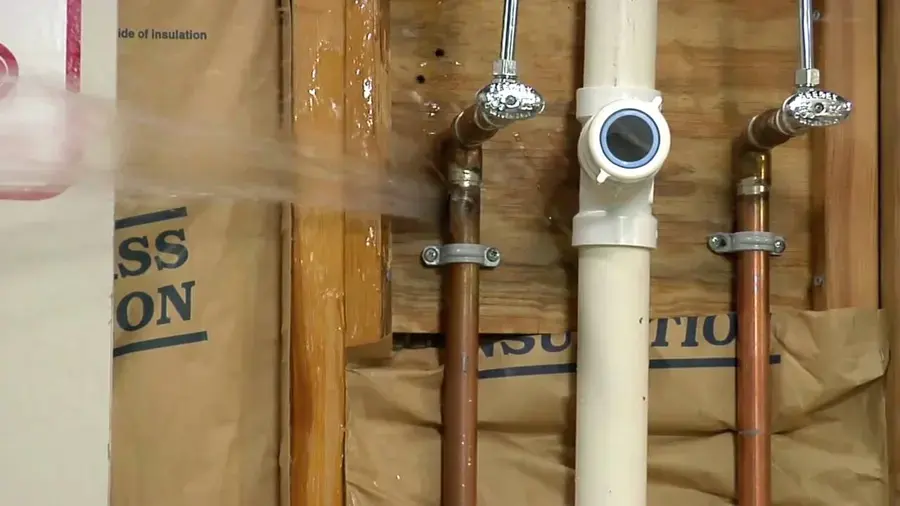
Omaha averages about 11 days a year with lows at or below 0 F, and one hard night can split a pipe in an outside wall. The crew extracts the water and dries the cavity.
(888) 599-2961Pipe split in the wall? Call about thaw damage- 24/7 dispatch
- Thermal imaging in wall cavities
- Moisture readings daily
Water typeClean, until it soaks in
WhereOutside walls and garages
Local driverHard overnight freezes
AvailabilityAround the clock
A frozen pipe usually does its damage after the freeze. Ice splits the pipe, and the water arrives when it thaws. January in Omaha averages about 23.5 F, so a mild week can turn into a hard night and back again.
How frozen pipe cleanup is handled in Omaha
- 1
Find the split
A thermal camera and pinless meters trace the wet path from the broken pipe.
- 2
Extract and open the cavity
Standing water is removed, and small openings give access to the wet wall.
- 3
Pull wet insulation
Soaked batting and the lowest strip of drywall come out where meters say so.
- 4
Dry with directed air
Air movers and dehumidifiers run until the framing reads dry.
What does frozen pipe cleanup cost in Omaha, NE?
In Omaha, NE, frozen pipe cleanup commonly runs $1,000 to $8,000. A split caught within minutes sits low; a long run that soaks walls and a floor below sits near the top.
Caught fast
$1,000 to $2,500
- Single wall opened
- Water extracted
- Cavity dried
Wall and ceiling soaked
$2,500 to $5,500
- Insulation removed
- Ceiling below dried
- Drywall cut
Long run, two levels
$5,500 to $8,000+
- Several rooms mapped
- Extended drying
- Contents listed
For a closer planning number, try the water damage cost calculator. A firm figure comes after the walkthrough and moisture map.
Where pipes freeze first
- Supply pipes inside outside walls with thin or missing insulation
- Pipes in garages and unheated utility spaces
- Outdoor faucets and the pipe behind them
- Pipes near an attic hatch or an open crack to the cold
- Pipes under a sink on an outside wall, where cabinet doors trap the cold
Why the cavity matters
M.U.D. warns that a single hard overnight freeze can burst an outdoor faucet or the pipe it connects to. When that pipe sits inside a wall, water runs down through insulation and drywall and out of sight. Surface drying leaves the framing wet. The drying team opens a small access, reads the cavity and dries it with directed air.
Thaw slowly and look first
If a pipe is frozen but not yet leaking, shut the main and open the faucet before warming it gently. If it already split, leave the main off and call before the thaw spreads water through the wall.
After the thaw
Wet insulation holds water against the studs, so it is removed and replaced after drying. A plumber repairs the pipe, and the restoration team dries the structure and writes the record the claim needs, including readings from the wall cavity itself. If the pipe let go with force, see burst pipe cleanup. Water that reached a ceiling below is covered under ceiling leak water damage, and the full list is on the Omaha water damage restoration page.
Coverage
Frozen Pipe Cleanup across Omaha, NE
The restoration team works the whole city: Downtown Omaha and the Old Market, Midtown, Dundee, Florence and East Omaha, along with corridors such as Abbott Drive and Interstate 29.
See every area servedQuestions
Frozen Pipe Cleanup questions in Omaha
Why does a pipe flood after it freezes?
Ice expands inside the pipe and splits it, but the crack stays plugged by ice until the temperature rises. When it thaws, water pours through the opening, which is why many floods are found hours after the coldest night.
Which pipes are most at risk?
Pipes in outside walls, garages and unheated spaces, plus outdoor faucets, freeze first. M.U.D. advises preparing outdoor faucets and their pipes before hard freezes, because one overnight freeze can burst a faucet or the pipe behind it.
Can a wall be dried without tearing it open?
Sometimes. Small access holes let the drying crew push air through a wet cavity, and firm drywall can stay in place. Soft drywall and wet insulation are removed, because they hold water against the framing.
Does insurance cover a frozen pipe?
Sudden pipe damage is commonly covered, though policies differ on freezing and vacancy. Coverage depends on your policy, so photograph the split, keep the plumber's note and ask your insurer what applies before work begins.
Who repairs the pipe?
A plumber replaces the split section. The restoration team stops the damage by extracting water, drying the structure and recording readings, which supports the claim and shows the plumber where the water traveled.
How do I avoid a second freeze?
Insulate exposed pipes, keep garage doors closed on cold nights and let taps drip during a hard freeze. A dry reading before anything is rebuilt keeps hidden moisture from causing trouble later.
24/7 emergency dispatch
Frozen pipe split in your Omaha home? Start the dry-out.
Thaw water keeps soaking into insulation, drywall and framing. The extraction crew removes it, the drying team dries the cavity to a reading, and the claim file is documented as the work goes.