Business water damage
Commercial Water Damage in Ralston, NE
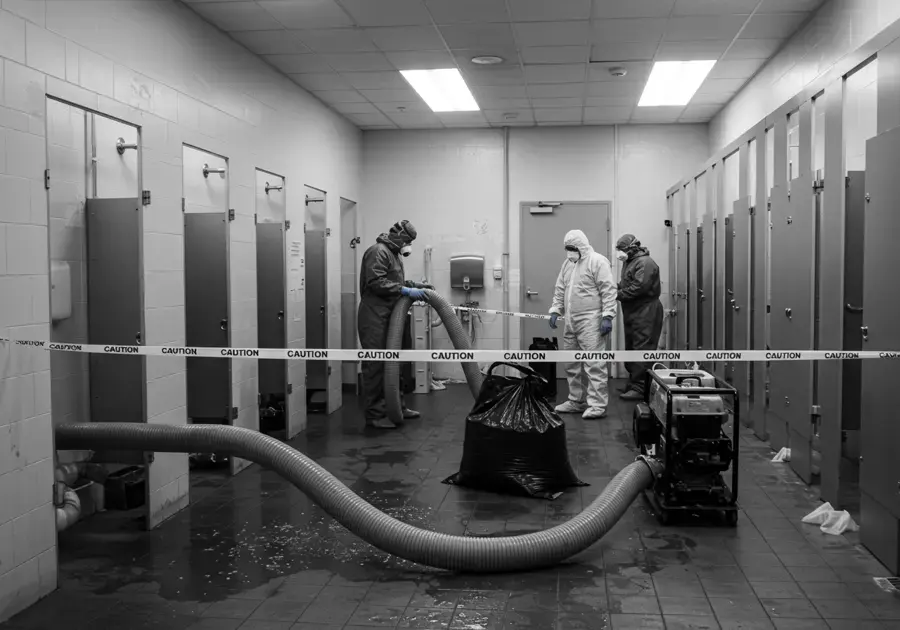
Ralston commercial buildings range from downtown storefronts to former factory space and new apartments. The restoration team scopes each building, dries it in phases and keeps tenants and inventory in mind.
(888) 599-2961Business flooded? Ask for a walkthrough- Dried in phases
- Zoned moisture maps
- Documented for tenants and insurers
Property typesStorefronts, factory space, apartments
PlanningAround business hours
StandardIICRC S500
AvailabilityAround the clock
Ralston's commercial mix is unusual for a city this size. Burlington Street was the historic factory street, home to the Ralston Granary, the Howard Stove Company and the Ralston Lumber Company, and The Granary was renovated in 2023 into a business center and event venue. Downtown storefronts, the city-owned Liberty First Credit Union Arena on Q Street and apartments in the Hinge redevelopment area add very different buildings to the list.
How commercial water damage is handled in Ralston
- 1
Walk and prioritize
The team ranks the areas by business impact and spread.
- 2
Contain and extract
Wet zones are sealed off and standing water is pumped out.
- 3
Dry by zone
Equipment is placed zone by zone so unaffected areas stay open.
- 4
Document for everyone
Owners, tenants and insurers each get photos and readings.
What does commercial water damage cost in Ralston, NE?
In Ralston, NE, commercial water damage restoration typically runs $3,000 to $30,000 or more. Square footage, floor and wall types, the water category and whether work must fit around business hours decide the figure.
Small shop or office
$3,000 to $8,000
- Water extracted
- Containment set
- Drying and readings
Several rooms or tenants
$8,000 to $18,000
- Zoned moisture maps
- Ceiling tile and drywall out
- After-hours work
Large or contaminated
$18,000 to $30,000+
- Open floor or Category 3
- Large equipment fleet
- Extended records
For a closer planning number, try the water damage cost calculator. A firm figure comes after the walkthrough and moisture map.
What commercial jobs need
A commercial loss is a scheduling problem as much as a drying one. The crew walks the building, ranks the areas by what they cost the business and starts where the damage matters most. Quick extraction limits the spread, and zoned moisture maps let one area dry while the rest stays open.
- Inventory, equipment and records are protected or moved first
- Ceiling tiles and wet insulation are removed to stop wicking
- Work is phased so the business can keep trading where possible
- Photos and readings are organized for the owner, tenant and insurer
Older factory buildings and new redevelopment
Old industrial space often has tall ceilings, thick masonry and large open floors, which take a bigger equipment fleet and longer to dry. Newer apartment buildings are the opposite: many small rooms and shared walls, where water moves between units. The Hinge area alone includes an apartment complex, a strip mall slated for townhomes and apartments and about 10 acres of former industrial land, so one plan does not suit them all.
Multi-tenant buildings
When several tenants share a building, each space gets its own map, photos and readings. That keeps responsibility clear and makes it easier for each insurer to follow what was done.
Planning ahead
Know where the main shutoff is, keep tenant contacts handy and photograph the building when it is dry. A sewage loss follows its own protocol, covered under sewage backup cleanup. A roof opening is dealt with on the roof leak water damage page, and the drying plan itself is described under structural drying.
Coverage
Commercial Water Damage across Ralston, NE
The restoration team serves all of Ralston, from Downtown Ralston, Seymour Park and the Hinge redevelopment area to the ranch streets of Bay Meadows and Mockingbird Hills, plus the storefronts along Main Street and Burlington Street.
See every area servedQuestions
Commercial Water Damage questions in Ralston
Can the shop keep trading while the drying runs?
Often, in part. The crew seals the wet zone, runs equipment there and keeps the rest of the building available. Noise and airflow matter, so the plan is set at the walkthrough.
What should employees do in the first minutes?
Close the shutoff if it is safe, switch off wet circuits from a dry panel and lift stock and records off the floor. Photograph the damage and call before anyone starts mopping.
Does flooring in a business always get replaced?
Not always. Carpet that got clean water can often be extracted and dried in place. Carpet tile can sometimes be lifted, dried and relaid, while sewage or storm water means it comes out.
How are shared-building losses documented?
Each space gets its own moisture map, photos and readings, so owners, tenants and their insurers can see what happened where. Shared walls and ceilings are noted on both sides.
Will a business policy pay for water damage?
Sudden water losses are commonly covered, while flood and sewer backup often need separate coverage. Business interruption is its own question. Coverage depends on the policy, so ask your insurer.
How long should a business expect the drying to last?
There is no fixed number of days. Size, materials and the water category all matter, and equipment stays until readings reach the drying goal. Phased work lets parts of the building reopen earlier.
24/7 emergency dispatch
Business flooded in Ralston? Get it dried fast
Water in a commercial building costs trading time with every hour it sits. The restoration team scopes the loss, dries it in phases and documents each space for owners and insurers.