Storm and wear roof leaks
Roof Leak Water Damage in La Vista, NE
A storm or a tired roof lets water in, and it saturates attic insulation long before a ceiling shows a stain. The drying team tracks it from the shingles to the last wet stud.
(888) 599-2961Water coming through the roof? Call now- 24/7 dispatch
- Leak path traced to the source
- Daily moisture readings
Typical causesHail, wind, worn roofing
First wet layerAttic insulation
Reading goalIICRC S500
AvailabilityAround the clock
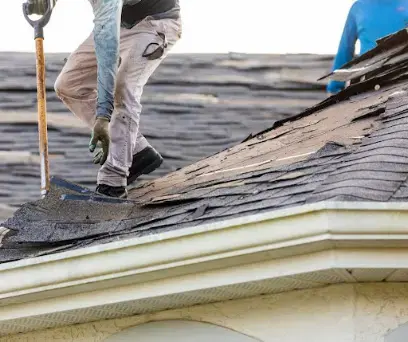
Storms rolling across the plains can drive hail and wind at a roof, and a roof that has already seen decades of weather gives way more easily. In La Vista, 817 homes date from the 1960s and 1,326 from the 1970s, so plenty of roofs have had long careers. The leak itself starts small: a lifted shingle, a split seam at the flashing, a cracked vent boot. Rain drops into the attic, soaks the insulation, spreads across the top of the ceiling drywall and only then stains a room, usually well away from the hole.
How roof leak water damage is handled in La Vista
- 1
Cover the hole
A tarp or board-up stops more rain while indoor work begins.
- 2
Follow the moisture
The walkthrough tracks wet material from the shingles to the ceiling below.
- 3
Remove the soaked
Wet insulation and sagging drywall are taken out before they fall.
- 4
Dry the structure
Air movers and dehumidifiers dry rafters, sheathing and walls to the goal.
What does roof leak water damage cost in La Vista, NE?
Roof leak water damage in La Vista, NE usually costs $800 to $6,000. Soaked attic insulation, ceilings that must come down and the number of rooms reached push a job up the range.
Small leak
$800 to $2,000
- One wet patch
- Insulation checked
- Spot drying
Insulation and ceiling
$2,000 to $4,000
- Wet insulation removed
- Ceiling section cut
- Framing dried
Storm damage, several rooms
$4,000 to $6,000+
- Multiple ceilings opened
- Walls checked
- Longer drying
For a closer planning number, try the water damage cost calculator. A firm figure comes after the walkthrough and moisture map.
Telling a roof leak from an indoor one
Roof water arrives from above during or just after rain, carries grit from the attic and spreads over a wide area. Indoor leaks come from a tub, toilet or pipe on the floor above and tend to be clean water from one point. When the source turns out to be plumbing, ceiling leak water damage applies instead.
What gets inspected
- Insulation that has matted flat and no longer holds heat
- Sheathing and rafters with dark stains or soft spots
- Ceiling drywall that is sagging, stained or crumbly
- Wall cavities where water slid down behind exterior walls
- Light fixtures and ceiling fans in the wet zone, kept off until checked
Soaked batts and blown insulation come out because they hold water for weeks and stop working. A swollen ceiling is opened in a controlled way before it lets go on its own. Dehumidifiers and air movers then take the framing to its target while each visit's readings go in the file.
A tarp comes before the fans
Drying an attic under an open roof is wasted effort, because the next rain undoes it. Covering the opening comes first, and a roofer handles the lasting repair.
For tenants and building owners
In a multi-unit building, a top-floor leak can reach the units below. The owner usually arranges the roof work, while each affected unit is dried and documented separately. If the same storm also pushed water in at ground level, see storm flood cleanup. Drying details are under structural drying.
Coverage
Roof Leak Water Damage across La Vista, NE
The restoration team covers all of La Vista, from Echo Hills and Val Vista to Southwind and Cimarron Woods, plus the Corridor 84 businesses, City Centre and Southport, and the Central Park area along Thompson Creek.
See every area servedQuestions
Roof Leak Water Damage questions in La Vista
Water is coming through the ceiling in a storm. What first?
Set out a bucket, move furniture and electronics aside and switch off circuits that feed wet fixtures. A ceiling that bulges can be pierced at its lowest point to drain safely. Then call so a tarp and drying can begin.
Why does the stain sit away from the damaged roof?
Water travels along rafters and through insulation before it drips, so it can show up several feet from where it entered. The walkthrough maps the whole path, not just the visible stain.
Is wet insulation always replaced?
Usually. Soaked insulation mats down, holds water and stops insulating, so it is removed and replaced once the framing has dried. Insulation that stayed above the wet zone can sometimes remain, and the meters decide.
Does insurance cover a roof leak?
Sudden storm damage is commonly covered, while wear and neglect often are not. Owners and renters hold different policies, so the wording and the insurer settle it.
Who repairs the roof itself?
A roofer does. The restoration team covers the opening and dries the interior, and its records support the roofer and the claim.
How is a top-floor apartment leak handled?
The landlord or manager arranges the roof work, and each wet unit is mapped and dried on its own. Separate photos and readings keep every tenant's claim clear.
24/7 emergency dispatch
Roof leak in your La Vista home? Get it dried out.
A roof leak soaks insulation, framing and drywall in turn, long after the rain stops. The restoration team traces it, removes what cannot dry and dries the rest to a verified reading.
(888) 599-2961Reach a La Vista roof leak crew
La Vista, NE · Find us on Google