Runoff from outside
Storm Flood Cleanup in La Vista, NE
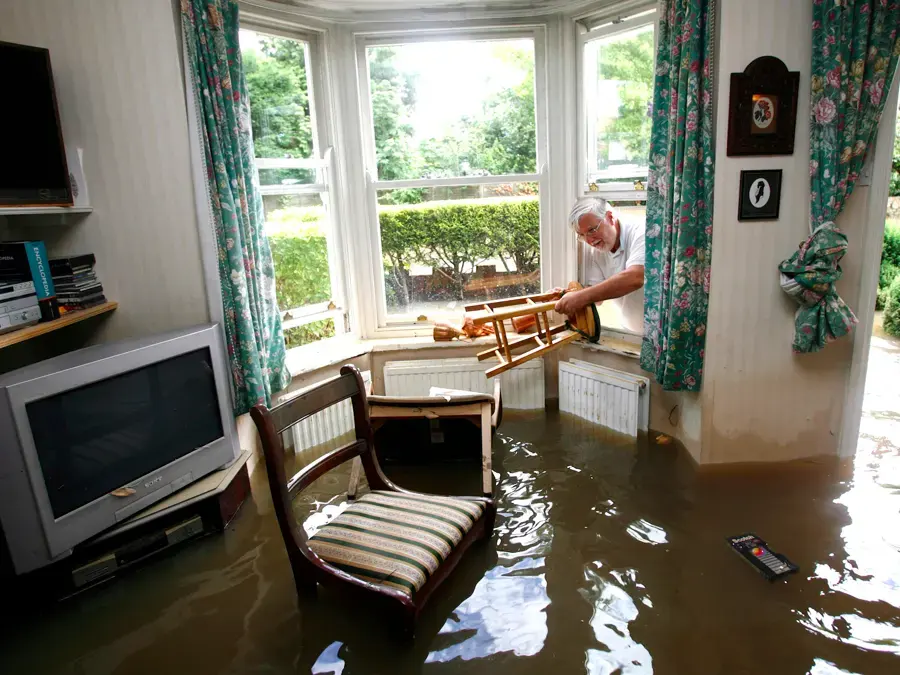
Water that enters from outside brings street grime, soil and sometimes sewage with it. The mitigation team treats it as Category 3: extraction, removal of soaked soft materials, cleaning and drying.
(888) 599-2961Storm water inside? Call the cleanup crew- 24/7 dispatch
- Category 3 protocol
- Daily moisture readings
Water typeCategory 3, black water
Local featureThompson Creek, Central Park
Soft materialsCut out, not dried
AvailabilityAround the clock
Storm water risk in La Vista has a few identifiable pieces. Thompson Creek runs through Central Park. A Sarpy County flooding story map from 2019 names two high risk dams in the city, Thompson Creek and Prairie Queen. And the Papio-Missouri River NRD has an agreement with the city for the Thompson Creek Levee Improvement Project. None of that forecasts what a given street will see, but it explains why a heavy storm here deserves attention. In the regional March 2019 flood, flood control works held the Papillion Creek basin to minimal flooding.
How storm flood cleanup is handled in La Vista
- 1
Suit up and seal
The mitigation team puts on protective gear and seals the work area before touching contaminated water.
- 2
Pump, then shovel
Pumps take out standing water, then silt and debris are cleared.
- 3
Cut out soft goods
Drywall, insulation, carpet and pad that touched the water are removed and recorded.
- 4
Clean, treat, dry
Hard surfaces are scrubbed and treated, then air movers, LGR units and HEPA scrubbers run to the goal.
What does storm flood cleanup cost in La Vista, NE?
Plan on $3,000 to $15,000 or more for storm flood cleanup in La Vista, NE. Water depth, how many rooms it entered and how much contaminated drywall, flooring and insulation must go move a job through that range.
Shallow, one area
$3,000 to $6,000
- Water pumped out
- Soft materials removed
- Surfaces treated
Lower or main floor
$6,000 to $11,000
- Drywall cut above the mark
- Contents listed
- Structure dried
Deep or whole level
$11,000 to $15,000+
- Containment and HEPA air scrubbers
- Extended drying
- Full documentation
For a closer planning number, try the water damage cost calculator. A firm figure comes after the walkthrough and moisture map.
Why storm water counts as Category 3
Water that crosses a yard or a parking lot collects whatever it meets: lawn chemicals, road oil, animal waste and, when sewers are overloaded, sewage. Under IICRC S500 it is Category 3 water, and that shapes everything that follows:
- Carpet, pad, drywall and insulation that it reached are hauled out rather than dried
- Technicians work in protective gear, with containment up where the spread is a risk
- Hard surfaces are scrubbed, then treated with an EPA-registered antimicrobial
- Equipment goes in only once the contaminated material is gone
The order of the cleanup
Pumps take down the standing water first, then mud and silt are shoveled and vacuumed out. Drywall is cut above the highest water mark, and soaked belongings are photographed and itemized before they are discarded. Framing and concrete are dried with air movers and LGR dehumidifiers, while HEPA air scrubbers handle the air where contamination ran heavy. Every visit adds readings until the structure reaches the goal. Regional flash flooding shows how little warning there can be: on August 7, 2021, Omaha took 2 to 3 inches of rain in about an hour.
Flood coverage is its own policy
Rain-fed water that rises outside and comes in at ground level is typically flood damage, which most homeowners policies exclude. A separate flood policy may apply, so keep every photo and ask the insurer sooner rather than later.
Staying safe afterward
Stay out of floodwater near outlets and never drive through water on a road. NWS Omaha posts storm and flood alerts for the area. If water came in at the foundation rather than across the yard, read about foundation seepage cleanup, and for sewage from a drain, see sewage backup cleanup.
Coverage
Storm Flood Cleanup across La Vista, NE
The restoration team covers all of La Vista, from Echo Hills and Val Vista to Southwind and Cimarron Woods, plus the Corridor 84 businesses, City Centre and Southport, and the Central Park area along Thompson Creek.
See every area servedQuestions
Storm Flood Cleanup questions in La Vista
Floodwater came in from outside. Can I clean it myself?
It is risky. Storm water is Category 3 and may carry sewage, chemicals and debris. Wear boots and gloves only for emergency moves, keep children and pets away, and let the crew remove and treat what the water touched.
Why must drywall be cut after a storm flood?
Contaminated water wicks upward into drywall and insulation, and those materials cannot be cleaned to a safe level. The cut is made above the highest waterline, and then the cavity is dried.
Does homeowners insurance cover storm flooding?
Water that rises from outside is usually treated as flood damage, which a standard policy leaves out, while a flood policy may apply. Wording varies, so the insurer should confirm.
Which parts of La Vista are exposed to creek water?
Thompson Creek runs through Central Park, and a 2019 Sarpy County story map names two high risk dams in the city. Exposure at one address is worth checking with the city and an insurer.
Is the cleanup quick?
It follows the depth, the rooms involved and the materials. The removal comes first, then drying runs until the readings reach the goal, with no fixed day count.
What happens to furniture and belongings?
Solid wood and hard items that can be cleaned and dried sometimes survive. Upholstery and other porous goods that sat in storm water are usually discarded, with each item photographed and listed for the claim.
24/7 emergency dispatch
Storm water in your La Vista home? Start the cleanup.
Contaminated water works into drywall, subfloors and contents the longer it sits. The mitigation team removes it, treats the space and dries the structure with each step documented.