Flooded lower level help
Basement Flooding Cleanup in La Vista, NE
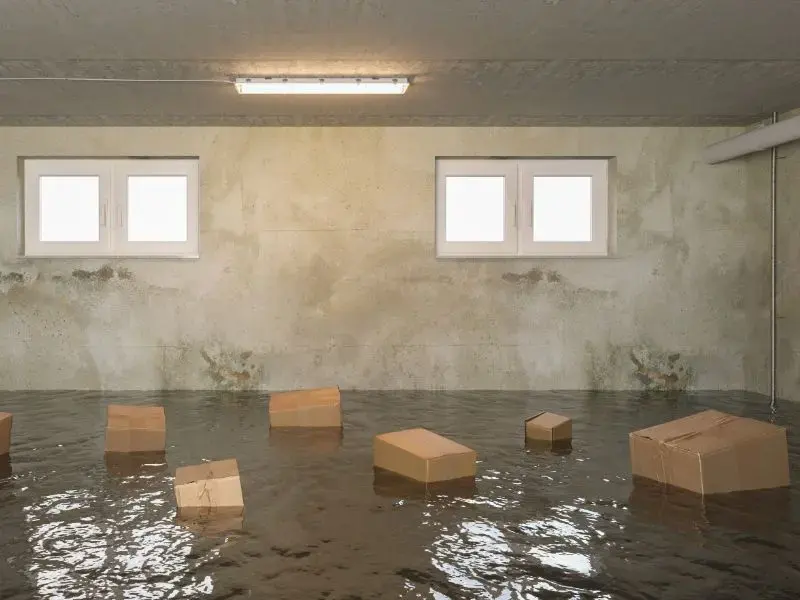
When a lower level floods, the furnace, the water heater and any finished rooms are all at risk together. The restoration team pumps it down, maps the moisture and dries the space to a reading.
(888) 599-2961Water downstairs? Call the dry-out crew- 24/7 dispatch
- Pumps for deep water
- Daily moisture readings
Typical sourcesStorm, pipe, pump, drain
Local featureThompson Creek corridor
Drying standardIICRC S500
AvailabilityAround the clock
Where a La Vista home has a basement or lower level, that floor is the first place water settles. The city's houses went up over several decades, with 1,326 built in the 1970s, 990 in the 1990s and 1,959 in the 2000s, so a lower level can be bare concrete or fully finished with carpet, a bathroom and a media room. Before choosing a drying method, the basement flooding crew works out where the water came from, because the source sets the water category and the whole plan.
How basement flooding cleanup is handled in La Vista
- 1
Name the source
The walkthrough identifies where the water entered and which category it falls into before any plan is set.
- 2
Pump to the slab
Submersible pumps and extraction tools bring the floor back to bare concrete.
- 3
Open what must dry
Pad, baseboard and the lowest band of drywall are cut out where the meters call for it.
- 4
Dry and confirm
LGR dehumidifiers and air movers run until slab, studs and wood meet the drying goal.
What does basement flooding cleanup cost in La Vista, NE?
Basement flooding cleanup in La Vista, NE commonly lands between $1,500 and $10,000 or more. Depth of water, finished or bare walls, how much drywall and flooring must go, and whether the water was clean or contaminated move a job along that range.
Bare floor, clean water
$1,500 to $3,500
- Pumping and extraction
- Concrete dried
- Readings logged
Finished lower level
$3,500 to $7,000
- Carpet and pad removed
- Low drywall cut
- Wall cavities dried
Deep or contaminated
$7,000 to $10,000+
- Category 3 protocol
- Containment in place
- Extended drying
For a closer planning number, try the water damage cost calculator. A firm figure comes after the walkthrough and moisture map.
Where lower-level water comes from
- Heavy rain that outruns window wells, downspouts and the grade around the house
- A sump pump that failed or was overwhelmed, in homes that have one
- A split supply pipe or a failed water heater on the floor above or beside the space
- A floor drain or toilet pushing sewage back up, which is Category 3 water
- Wet ground pressing in at the wall base after a long rainy stretch
Thompson Creek runs through Central Park, and a Sarpy County flooding story map from 2019 names two high risk dams in the city, Thompson Creek and Prairie Queen. That is background for storm days, not a forecast for any one address. Slow damp that returns after rain belongs on the foundation seepage cleanup page.
Finished and bare lower levels
A bare concrete floor with block or poured walls generally dries well once the water is pumped out. A finished space is different. Carpet pad, baseboard, the bottom band of drywall and wet insulation often come out so the wall cavity can breathe. The drying team cuts a little above the water mark, not across whole walls, and photographs each cut before it is made.
Furnace and water heater come first
If water reached the mechanical area, people stay away from the furnace and water heater until the power is off and a qualified tech has looked at them. Gas appliances that sat in water are inspected before they run again.
Heading off the next flood
After the dry-out, check that downspouts discharge well away from the wall, that window wells are clear and that any sump pump has backup power. The basement seepage risk check is a quick way to judge how exposed a lower level is. If a pump was the cause, read about sump pump failure cleanup, and for the drying itself see structural drying.
Coverage
Basement Flooding Cleanup across La Vista, NE
The restoration team covers all of La Vista, from Echo Hills and Val Vista to Southwind and Cimarron Woods, plus the Corridor 84 businesses, City Centre and Southport, and the Central Park area along Thompson Creek.
See every area servedQuestions
Basement Flooding Cleanup questions in La Vista
Water is rising downstairs right now. What comes first?
Stay out of the water if outlets, cords or the furnace are nearby. Shut the main if the source is a pipe, switch off lower-level breakers only from a dry panel, take photos from the stairs and then call for pumping.
Can a finished lower level be saved?
Frequently. Framing and concrete dry in place, while carpet pad, baseboard, the bottom of the drywall and wet insulation usually come out. Clean water saves far more material than contaminated water does.
How can I tell if the water is contaminated?
Water that came up through a floor drain or toilet, or across the yard from outside, is treated as Category 3. Clean supply water that sits for a long time can also slip toward gray, which is why the source is identified first.
Does homeowners insurance pay for a flooded basement?
It depends on the source. A sudden pipe failure is commonly covered, sewer backup often needs an added endorsement, and rising surface water usually calls for flood coverage. The policy wording decides.
I rent a lower-level unit. What should I do?
Call the landlord or property manager at once, then document your belongings with photos. The building owner usually directs the mitigation, and the drying crew keeps readings for both sides of the claim.
Why does the air smell stale after the water is gone?
Wet drywall, pad and framing hold moisture and start to sour. The smell means something is still damp, not that the room needs a freshener. Drying and removing what cannot dry is what clears it.
24/7 emergency dispatch
Flooded lower level in La Vista? Get it pumped and dried.
Water in a lower level keeps wicking into wood, drywall and insulation until someone stops it. The restoration team pumps it down, dries the structure and documents each step for the claim.