Pump failure and overflow
Sump Pump Failure Cleanup in La Vista, NE
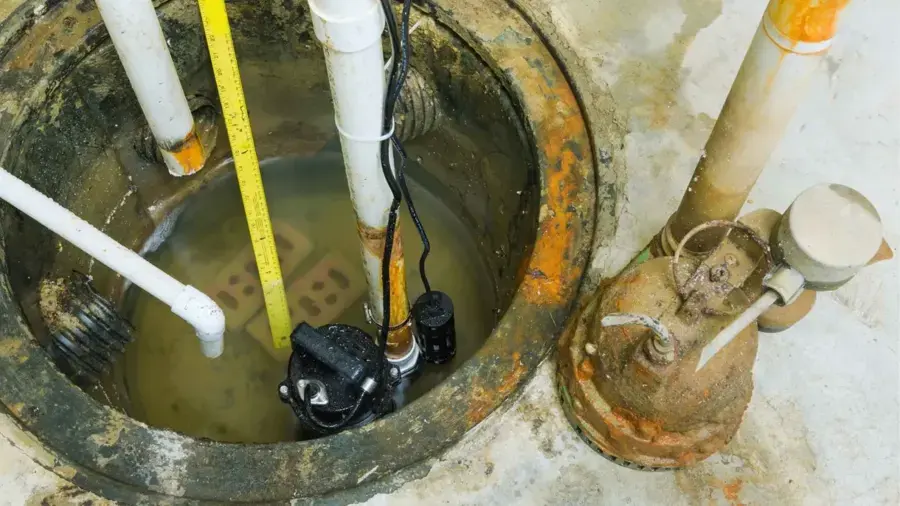
A sump pump tends to quit when the demand is highest, in the middle of a downpour or an outage. The restoration team extracts the spill and dries the lower level before damp climbs into finished rooms.
(888) 599-2961Pit overflowing? Call the overflow crew- 24/7 dispatch
- Temporary pump set in the pit
- Daily moisture readings
Peak triggerIntense rain bursts
Usual causesOutage, tired pump
Likely classGray water
AvailabilityAround the clock
Not every La Vista house has a sump pit, but where one exists, the pump is the only thing holding groundwater below the floor during a hard rain. The Omaha metro showed how fast a storm can build: on August 7, 2021, flash flooding dropped 2 to 3 inches of rain in about an hour. A pump that cycles nonstop through a burst like that can overheat, jam or lose power, and then the pit spills across the slab. Because that water has been through the ground, it is normally treated as gray water, Category 2.
How sump pump failure cleanup is handled in La Vista
- 1
Hold the level down
A spare pump goes into the pit so the floor does not flood a second time.
- 2
Extract the slab
The extraction crew lifts water off concrete, carpet and pad.
- 3
Clean and treat
Silt is washed away, then a registered antimicrobial goes onto gray-water surfaces.
- 4
Dry to the goal
Dehumidifiers and air movers run while each visit's readings are logged.
What does sump pump failure cleanup cost in La Vista, NE?
Sump pump failure cleanup in La Vista, NE usually runs $1,200 to $7,500. A shallow overflow caught fast sits near the bottom; a deep spill into a finished space, or one with silt or sewage, sits near the top.
Caught early
$1,200 to $2,500
- Temporary pump
- Slab extracted
- Concrete dried
Finished lower level
$2,500 to $5,000
- Pad and baseboard out
- Low drywall cut
- Cavities dried
Deep overflow
$5,000 to $7,500+
- Silt cleaned and treated
- Several rooms opened
- Longer drying
For a closer planning number, try the water damage cost calculator. A firm figure comes after the walkthrough and moisture map.
How pumps let go during storms
- Grid power dropping out during the very storm that fills the pit
- A stuck float that never tells the motor to start
- An older unit worn out by years of hard running
- Discharge plumbing that is clogged, kinked or aimed back at the foundation
- A pump sized for ordinary rain and not for a flash event
How the cleanup runs
Step one is getting the level down and holding it there, so the crew drops a spare pump into the pit while the floor is worked. Finished rooms usually lose their wet carpet pad and the lowest strip of drywall. Concrete and block are left in place and dried with air movers and dehumidifiers, with each visit's readings deciding when the machines go. Where silt came along, the slab is washed and treated with a registered antimicrobial before any drying starts.
Backup power is the cheap fix
Plenty of pit overflows trace back to a blackout. A battery or water-driven backup keeps pumping when the grid does not, and it costs a small share of what a dry-out does.
Once the floor is dry
A plumber can swap in a bigger pump, test the check valve and extend the discharge pipe well beyond the foundation. If damp also shows at the wall between storms, see foundation seepage cleanup. A fully flooded space belongs under basement flooding cleanup, and runoff that came from outside is on the storm flood cleanup page. For the drying method, see structural drying.
Coverage
Sump Pump Failure Cleanup across La Vista, NE
The restoration team covers all of La Vista, from Echo Hills and Val Vista to Southwind and Cimarron Woods, plus the Corridor 84 businesses, City Centre and Southport, and the Central Park area along Thompson Creek.
See every area servedQuestions
Sump Pump Failure Cleanup questions in La Vista
The pit is overflowing and the pump is silent. What now?
Check whether the pump only lost power or tripped its outlet, but never stand in water to look. If it will not restart, raise belongings off the floor and ask for extraction with a spare pump.
Is sump water dirty?
Mostly not clean. It has traveled through the ground, so crews class it Category 2. Once it mixes with sewage from a floor drain, or sits a long while, it is handled as Category 3.
Will insurance pay for a failed pump?
A lot of policies leave it out unless a sump overflow or water backup endorsement was added. The wording decides, and a file of photos and readings helps whichever way it goes.
Can the crew replace the pump?
The restoration crew extracts, parks a spare pump to hold the level and dries the structure. Installing the permanent pump is plumber's work.
How long until the lower level is dry?
It varies with depth, finish and materials. A shallow overflow onto bare concrete clears faster than wet framing and carpet. The machines leave when the readings reach the goal, not on a calendar date.
What stops this from happening again?
A backup power source, a pump test before the rainy season, an open and extended discharge pipe, and retiring an aging pump before it fails all make a difference.
24/7 emergency dispatch
Sump overflow in La Vista? Get the lower level dried.
Overflow keeps soaking into framing, drywall and insulation until it is pulled out. The extraction crew clears it, dries the structure and builds the claim file as the work goes.