Seepage in lower levels
Foundation Seepage Cleanup in La Vista, NE
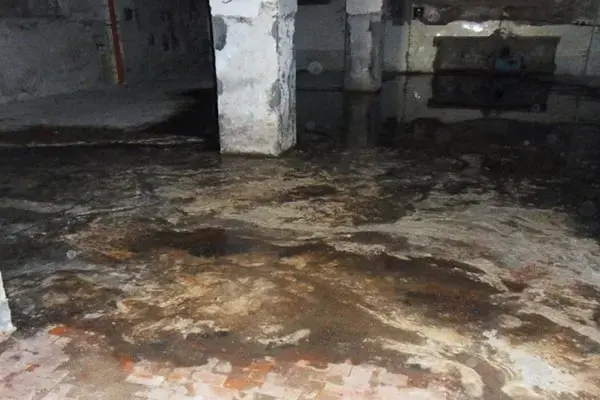
After a hard rain, a lower level can start taking on groundwater with no broken pipe to blame. The drying team traces where it traveled, pulls out what cannot dry and brings floor and walls to a measured dry.
(888) 599-2961Wet wall base? Call for seepage mapping- 24/7 dispatch
- Infrared scans of every wall
- Readings logged each visit
Water typeGroundwater, gray
First signDarkened wall base
TriggerLong or heavy rain
AvailabilityAround the clock
Groundwater does not need a broken pipe. After a long wet spell it can press through a foundation wall or surface along the slab edge, and nothing seems wrong until a cardboard box goes soft. Seepage is a general Midwest problem, and the drying crew does not assume what kind of soil lies under any La Vista street: the readings tell the story. The city does sit beside moving water. Thompson Creek runs through Central Park, and La Vista has an agreement with the Papio-Missouri River NRD for the Thompson Creek Levee Improvement Project.
How foundation seepage cleanup is handled in La Vista
- 1
Scan the walls
Infrared imaging and moisture meters follow every outside wall to where the dampness ends.
- 2
Cut out the soaked
Wet pad, trim and a low strip of drywall come out only where readings demand it.
- 3
Dry the masonry
Dehumidifiers and air movers stay longer on block and concrete, because masonry releases water slowly.
- 4
Log the route
Photos and readings record where the water entered, for the claim and the waterproofing contractor.
What does foundation seepage cleanup cost in La Vista, NE?
Foundation seepage cleanup in La Vista, NE generally falls between $800 and $5,000. One damp bare wall sits at the low end; a finished space that seeped for weeks sits at the high end.
One damp wall
$800 to $1,800
- Moisture mapping
- Pooled water removed
- Block and slab dried
Finished lower level
$1,800 to $3,500
- Pad and trim out
- Low drywall cut
- Cavities dried
Weeks of seepage
$3,500 to $5,000+
- Several walls opened
- Antimicrobial treatment
- Extended dehumidifying
For a closer planning number, try the water damage cost calculator. A firm figure comes after the walkthrough and moisture map.
Clues that a lower level is seeping
- A darker band hugging the bottom of a wall after several wet days
- Crusty white residue on bare block or poured concrete
- Dampness at the slab edge while every pipe tests dry
- Carpet that is soggy around the room's rim and normal in the center
- Cardboard against an outside wall that turns limp and smells sour
Drying out seepage
Since the water arrives slowly, the damage hides. Pad under carpet, the foot of a finished wall and cartons stacked along a wall can stay wet for weeks without a stain. The first visit scans every exterior wall with an infrared camera and handheld meters to locate where the moisture stops, and any pooled water is extracted. Finished walls usually give up baseboard, wet pad and a low band of drywall so the cavity can ventilate. Masonry lets go of moisture reluctantly, which means dehumidifiers stay longer than they would after a clean supply leak.
Dry is not sealed
Drying returns the space to normal and documents what happened. Keeping groundwater out for good belongs to a waterproofing contractor, through regrading, extended downspouts, drain tile or a sump pit.
Between storms
Heavy rain is the usual trigger, so walk the lower level after the ground has soaked and look at wall bases, slab edges and anything stored against a wall. The basement seepage risk check is a quick way to size up exposure. If a pump could not keep pace, read about sump pump failure cleanup; if seepage has become standing water, see basement flooding cleanup. Every other service is listed on the La Vista water damage restoration page.
Coverage
Foundation Seepage Cleanup across La Vista, NE
The restoration team covers all of La Vista, from Echo Hills and Val Vista to Southwind and Cimarron Woods, plus the Corridor 84 businesses, City Centre and Southport, and the Central Park area along Thompson Creek.
See every area servedQuestions
Foundation Seepage Cleanup questions in La Vista
Does a damp band after rain mean trouble?
Not always. A band that dries unaided can be minor. It becomes a problem once the water soaks carpet pad, drywall or stored cartons, because those stay wet long enough to deteriorate. If finished materials are touched, get readings before the next storm.
Why would a lower level seep in wet weather?
Saturated ground pushes water toward the easiest opening, often the joint at the slab edge or a crack in a wall. The crew does not assume a soil type for La Vista; the moisture readings show where the water is going.
Does seepage mean walls get torn out?
Bare block and concrete dry where they stand. Finished walls often lose the baseboard and the foot of the drywall, with the cut kept only as high as the meters demand.
Is seepage an insurance matter?
Gradual seepage and groundwater are commonly excluded from homeowners policies, and flood coverage has its own conditions. The wording differs from policy to policy, so ask the insurer before work starts.
How can I tell seepage from sewage?
Water that rises through a floor drain or toilet is sewage, Category 3, and gets a different protocol. The source is confirmed before drying begins. See sewage backup cleanup.
What keeps it from coming back?
That job goes to a foundation or waterproofing contractor: grading, drain tile and sealing. The drying crew supplies the readings and photos that show where the water entered.
24/7 emergency dispatch
Seepage in your La Vista lower level? Get it dried.
Quiet moisture keeps feeding pad, trim and drywall until it is located. The drying team traces it, cuts out material that cannot recover and runs equipment until the walls read dry.
(888) 599-2961Start a La Vista seepage dry-out
La Vista, NE · Find us on Google