Water through the walls
Foundation Seepage Cleanup in Papillion, NE
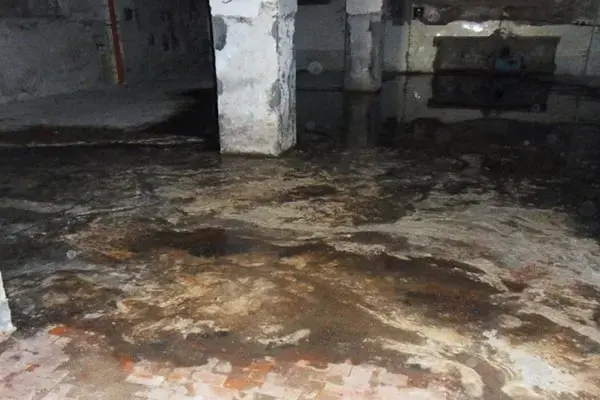
After heavy rain, soaked ground leans on Papillion foundations and can push water in at a wall or the slab edge. The drying team traces how far the moisture traveled and dries it out to a reading.
(888) 599-2961Wet wall base? Ask Papillion dispatch- 24/7 dispatch
- Wall-by-wall moisture scans
- Daily drying logs
Water classGray water from the soil
Where it appearsFoot of walls, floor joint
Local backdropCreek watersheds, wet ground
AvailabilityAround the clock
Seepage works quietly. Groundwater leans on a foundation wall or rises along the edge of the slab, and a lower level collects it a little at a time. The City of Papillion records that downpours in 1993 bowed or collapsed foundations and retaining walls in the Big Papillion Creek watershed, a reminder that saturated soil pushes hard on whatever holds it back. In early July 2024, heavy rain again left creek and lake levels very high around the city. After a wet stretch like that, even a sound basement can start to weep.
How foundation seepage cleanup is handled in Papillion
- 1
Scan the walls
Camera and meters follow each outside wall until the wet edge ends.
- 2
Remove soaked layers
Wet pad, trim and low wallboard are cut only where readings call for it.
- 3
Dry the masonry
Dehumidifiers keep running on block and concrete well after surface materials dry.
- 4
Record the path
Dated photos and logged readings document the entry route for the adjuster and the contractor.
What does foundation seepage cleanup cost in Papillion, NE?
Foundation seepage cleanup in Papillion, NE usually lands between $800 and $5,000. A single damp bare wall is the cheap end, while a finished room that quietly soaked for weeks is the expensive one.
A single wall
$800 to $1,800
- Meter and camera mapping
- Pooled water removed
- Masonry drying
Finished space
$1,800 to $3,500
- Pad and base lifted
- Low wallboard cut
- Stud bays dried
Long-running seep
$3,500 to $5,000+
- Several walls opened
- Antimicrobial wash
- Extended drying
For a closer planning number, try the water damage cost calculator. A firm figure comes after the walkthrough and moisture map.
Clues that a lower level is weeping
- Dampness creeping along the bottom of a foundation wall
- A white mineral bloom on bare block or concrete
- Wet floor at the wall joint with no leaking pipe nearby
- Baseboards that swell or stain only on outside walls
- A sour smell that returns after every long wet spell
Why seepage needs a wall-by-wall check
Hidden wetness is the real hazard. Underlayment, the lowest hand-width of wallboard and anything stored on the floor can absorb moisture for weeks while the room looks fine. The drying team walks every exterior wall with a thermal camera and pinless meters to locate the wet edge, and the extraction crew removes any pooled water. In finished rooms, the pad, base trim and a low strip of wallboard are usually cut out so the stud bay can air out. Block and poured concrete let go of moisture slowly, so dehumidifiers stay on longer than they would after a clean supply leak.
A dry floor is not a fixed wall
Drying removes the water that is already inside. Keeping new water out is a job for a waterproofing or foundation contractor, using grading, downspout changes, drain tile or a pump pit.
After a creek-fed wet spell
Once a heavy rain has passed, look along the base of the lower-level walls and run the basement seepage risk check. If the pump is overwhelmed, the loss moves to sump pump failure cleanup; if the seep becomes standing water, it moves to basement flooding cleanup.
Coverage
Foundation Seepage Cleanup across Papillion, NE
The restoration team covers all of Papillion, from Downtown Papillion and Eagle Hills to Savanna Shores, Settlers Creek, Shadow Lake and Southern Pointe, plus the Walnut Creek area and the Highway 370 corridor.
See every area servedQuestions
Foundation Seepage Cleanup questions in Papillion
Should a wet stripe along the wall after rain worry me?
One that vanishes on its own may be minor. The trouble starts when pad, drywall or stored boxes soak it up and stay damp long enough to sour. If anything finished is touched, get it mapped before the next storm.
Why do Papillion foundations take on water after heavy rain?
Papillion sits among four named creeks, and the city records that the 1993 downpours bowed or collapsed foundations in the Big Papillion Creek watershed. Ground that stays soaked pushes water toward the easiest path, which is often the slab edge.
Is it possible to dry seepage without opening walls?
On bare concrete or block, yes: dehumidifiers and air movers do the work in place. Finished walls usually lose their base trim and the lowest strip of wallboard, kept as short as the meters allow.
Will insurance pay for seepage in Papillion?
Gradual seepage is commonly excluded, and the City of Papillion states that standard homeowners policies do not cover flood damage. Flood insurance has a 30-day waiting period, so ask your insurer before work starts.
Can a household dehumidifier handle it?
A household unit helps with humidity but cannot pull water out of saturated pad or wall cavities. Commercial LGR dehumidifiers, air movers and removal of soaked materials are what bring a seeping lower level back to a dry reading.
Who keeps the water from coming back?
That is a waterproofing or foundation specialist's work: drain tile, grading and sealing. The drying crew hands over a record of where the water entered, so the specialist knows where to start.
24/7 emergency dispatch
Damp lower level in Papillion? Get it dried to a reading.
Moisture from seepage lingers in pad, trim and drywall long after the rain ends. The restoration team locates the wet edge, cuts out what will not dry and runs equipment to a clean reading.
(888) 599-2961Start a Papillion seepage dry-out
Papillion, NE · Find us on Google