Lower-level flood cleanup
Basement Flooding Cleanup in Papillion, NE
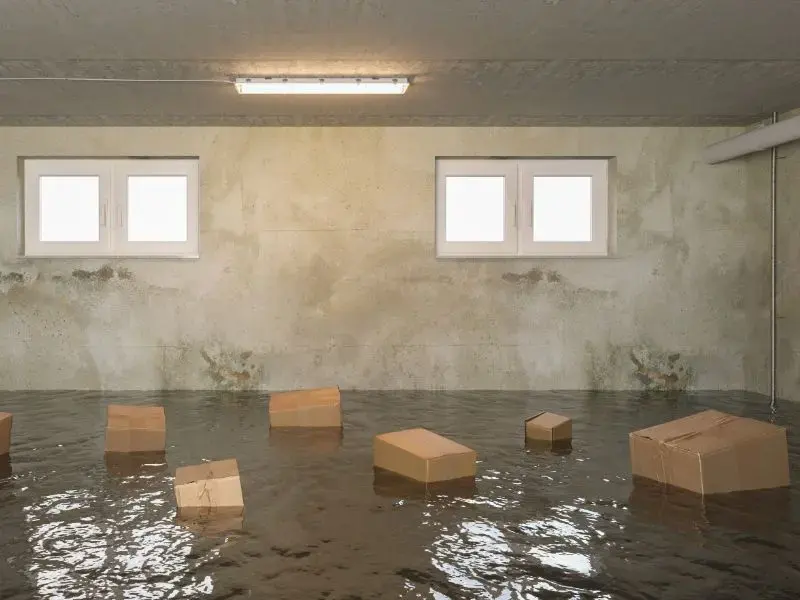
In Papillion the water meter sits in the basement, so the lowest level takes both plumbing failures and rain. The drying team pumps it out, maps the wet edge and dries it to a reading.
(888) 599-2961Water downstairs? Ask Papillion dispatch- 24/7 dispatch
- Furnace and meter checked
- Daily moisture readings
Common sourcesStorm runoff, plumbing, drains
At riskFurnace, meter, finished rooms
Water typeSet by where it came from
AvailabilityAround the clock
The City of Papillion notes that residential water meters are located inside the house, in the basement along the supply pipe. That detail says something about the lowest level of a Papillion home: it is where the plumbing comes in, where the mechanical equipment sits and where water from nearly every failure eventually settles. With a median build year of 1991, many local basements are also finished, with carpet, drywall and furniture a few inches above the slab. Once water arrives, the crew's first question is where it came from, because that decides how it gets dried.
How basement flooding cleanup is handled in Papillion
- 1
Find the cause
The walkthrough works out what failed and which water category applies.
- 2
Pump to the slab
Portable pumps and extraction lower the water until the floor is bare concrete.
- 3
Cut what cannot dry
Underlayment, trim and the foot of wet drywall come out where meters indicate.
- 4
Dry, then verify
Fans and LGR dehumidifiers continue until block, wood and slab hit the goal.
What does basement flooding cleanup cost in Papillion, NE?
In Papillion, NE, a basement flooding cleanup usually costs between $1,500 and $10,000 or more. The depth of the water, finished versus bare space, drywall and flooring removed, and clean versus contaminated water all push the total.
Bare slab, clean water
$1,500 to $3,500
- Water pumped and extracted
- Slab and block dried
- Logged daily readings
Finished lower level
$3,500 to $7,000
- Flood cuts in wallboard
- Stud bays dried
- Belongings relocated
Deep or contaminated
$7,000 to $10,000+
- Contaminated-water protocol
- Complete material removal
- Antimicrobial then drying
For a closer planning number, try the water damage cost calculator. A firm figure comes after the walkthrough and moisture map.
Where Papillion basement water comes from
- Storm runoff that saturates the soil and overwhelms window wells and downspouts
- A sump pump that stops or cannot keep pace with the inflow
- A supply pipe or fitting that fails in the ceiling joists overhead
- A floor drain or basement toilet pushing sewage back up
- Creek-fed groundwater leaning on the wall and slab after a wet stretch
A clean pipe leak is dried one way and sewage is handled another, so the source is pinned down early. Water that moves slowly through the wall instead of arriving as a flood is covered on the foundation seepage cleanup page.
Finished space versus bare slab
Bare concrete floors and unfinished walls usually dry well once the water is pumped out. A finished room asks more of the crew: underlayment, base trim, the lowest band of wallboard and soggy insulation are commonly cut out so the cavity behind can breathe. The cut is made a set distance above the water mark instead of whole walls being opened, and each cut is photographed.
Mechanical room first
If floodwater touched the furnace or the water heater, stay away from both until the circuits are dead. A gas appliance that stood in water should be examined by a trained technician before anyone runs it again.
Getting ready for the next storm
Once the basement is dry, walk the outside: downspout extensions, the soil slope near the foundation and window well covers all matter. A battery backup on the sump is inexpensive insurance. The basement seepage risk check helps spot weak points, and the structural drying page explains how the drying phase is verified.
Coverage
Basement Flooding Cleanup across Papillion, NE
The restoration team covers all of Papillion, from Downtown Papillion and Eagle Hills to Savanna Shores, Settlers Creek, Shadow Lake and Southern Pointe, plus the Walnut Creek area and the Highway 370 corridor.
See every area servedQuestions
Basement Flooding Cleanup questions in Papillion
Water is rising downstairs right now. Where do I start?
Keep away from the water if plugs, cords or the furnace are close by. Switch off basement circuits only from a dry panel, close the main valve near the meter if it can be reached, take photos and call for pumping.
Can a finished Papillion basement be saved?
Usually a good part of it. Studs and slab dry in place, while underlayment, lower drywall, base trim and soaked insulation typically leave so each cavity can dry. Clean water saves far more than contaminated water.
How long does a flooded basement need to dry?
A contained clean-water loss often reaches the goal in three to five days. Poured or block walls, thick slabs and contaminated losses run longer, and the drying team removes equipment only when the readings reach the target.
Does insurance pay for a flooded basement?
That depends on where the water came from. The City of Papillion states that standard homeowners policies do not cover flood damage, while a burst pipe is commonly covered and sewer backup may need an endorsement. Talk to your insurer first.
Why does the basement still smell damp?
Wet drywall, underlayment and wood keep souring until they dry, so the odor means moisture remains. Drying and removing what cannot dry clears it; air fresheners only mask it.
Should I carry everything out before the crew gets there?
Lift valuables and electronics up if it is safe, but leave heavy soaked furniture and deep water alone. The crew photographs and lists belongings for the claim file.
24/7 emergency dispatch
Flooded basement in Papillion? Get it dried properly.
Basement water keeps spreading into trim, underlayment and drywall while it sits. The restoration team pumps it out, cuts away what cannot dry and dries until a wall reads like a dry one.
(888) 599-2961Start a Papillion basement dry-out
Papillion, NE · Find us on Google