Cold-snap pipe splits
Frozen Pipe Cleanup in Papillion, NE
The freeze does the cracking, but the thaw does the flooding. The restoration team pulls the water out and dries the wall bays and ceilings that it ran through.
(888) 599-2961Pipe split by the cold? Ask Papillion dispatch- 24/7 dispatch
- Thermal camera tracing
- Cavity drying
Peak seasonDeep winter
Where pipes freezeOutside walls, garages
Water typeClean at first
AvailabilityAround the clock
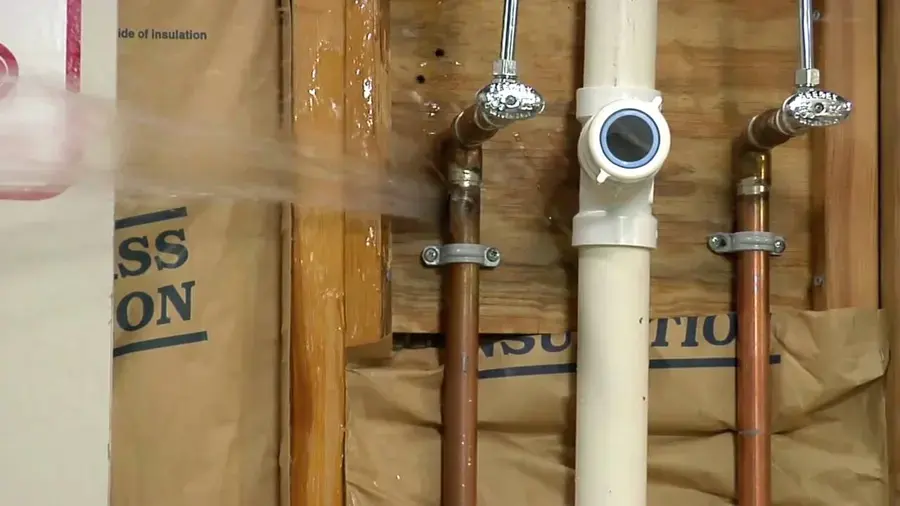
Frozen pipes are a risk across the Omaha area, where two winter storms hit eastern Nebraska from January 7 to 13, 2024. No Papillion pipe counts are published, but the mechanism is the same everywhere. Water that freezes swells, cracks the pipe wall and then sits quietly until warmer air melts it. Pipes are most exposed where room heat never gets to them, such as outside walls, runs above an attached garage and corners beside bare foundation. A split can then run for hours inside a wall before anyone notices.
How frozen pipe cleanup is handled in Papillion
- 1
Shut off, then trace
With the main closed, a thermal camera follows the split through the wall.
- 2
Pull the water
Extraction clears standing water from each level it reached.
- 3
Let air in
Soaked insulation and small drywall sections come out so airflow reaches inside the wall.
- 4
Dry to the goal
Air is driven through the cavities, with readings logged until they match a dry reference.
What does frozen pipe cleanup cost in Papillion, NE?
In Papillion, NE, frozen pipe cleanup commonly runs $1,000 to $8,000. The run time of the leak, the floors reached and the insulation and drywall removed all move the total. A short leak caught quickly sits at the bottom.
Short leak
$1,000 to $2,500
- Water pulled out
- Small inspection openings
- Wall bay drying
Wall plus ceiling
$2,500 to $5,500
- Insulation removed
- Wallboard cut out
- Drying on two floors
Long run, many rooms
$5,500 to $8,000+
- Ceilings opened
- Drying mats on hardwood
- Longer dehumidifier runs
For a closer planning number, try the water damage cost calculator. A firm figure comes after the walkthrough and moisture map.
Where freezes happen in a typical house
- Supply pipes inside north-facing exterior walls
- Pipes that run over or beside a garage
- Outdoor spigots and the short pipe behind them
- Basement corners near the rim joist
- Additions built over a porch or an open crawl space
Why the cavity has to be dried
A pipe that splits behind drywall dumps water into the stud bay, soaks the insulation and collects on the bottom plate. Drying the floor alone leaves every one of those layers wet. The drying team cuts small inspection openings or pulls soaked insulation and a low strip of wallboard, then drives air into the gap. A thermal camera and pinless meters follow the water up and down the wall, and the readings set how much stays open.
Warm it gently, never with flame
If a pipe is frozen but not cracked, open the tap it serves and warm the pipe gradually with a hair dryer. Flame is never the answer; it can set the framing on fire.
Before the next cold snap
Wrap exposed pipes, detach garden hoses and leave a tap on an outside wall dripping during a hard freeze. Cabinet doors left open let room heat reach the pipes behind them. When a pipe has already let go, read about burst pipe cleanup, and for water that dropped through a ceiling, ceiling leak water damage.
Coverage
Frozen Pipe Cleanup across Papillion, NE
The restoration team covers all of Papillion, from Downtown Papillion and Eagle Hills to Savanna Shores, Settlers Creek, Shadow Lake and Southern Pointe, plus the Walnut Creek area and the Highway 370 corridor.
See every area servedQuestions
Frozen Pipe Cleanup questions in Papillion
Can I thaw a frozen pipe myself?
If it is only frozen, open the tap it feeds and add heat gradually with a hair dryer or a heater kept well back. Open flame is never safe. If a crack appears during the thaw, close the main at once.
Where is the main shutoff in a Papillion house?
The City of Papillion says residential water meters are inside the house, in the basement along the supply pipe, so the main shutoff is usually found near the meter. Locate it before winter, not during a leak.
Why did the flooding wait until the weather warmed?
Ice fills the crack like a plug. As soon as it melts, the pipe lets go. That timing explains why many freeze-related floods begin on the first mild day.
Do homeowners policies pay for freeze damage?
Sudden loss from a frozen pipe is commonly covered in a heated home, while unheated homes are often excluded, so the details of your own policy matter. Ask before work starts.
Do walls always have to be opened?
No. Small openings and airflow save a lot of drywall, though wet insulation generally goes because it will not dry well. The lowest drywall is cut only if readings stay high.
How many days will the drying run?
A contained loss often finishes in three to five days. Plaster, hardwood and water that ran through two floors add time, and the equipment is removed when readings reach the target.
24/7 emergency dispatch
Frozen pipe split in Papillion? Get the walls dried.
Water from a thawed pipe keeps traveling inside walls and ceilings. The restoration team pulls it out, opens the cavities that need air and keeps equipment running to a verified reading.
(888) 599-2961Start a Papillion frozen pipe dry-out
Papillion, NE · Find us on Google