Flooded lower-level help
Basement Flooding Cleanup in Ralston, NE
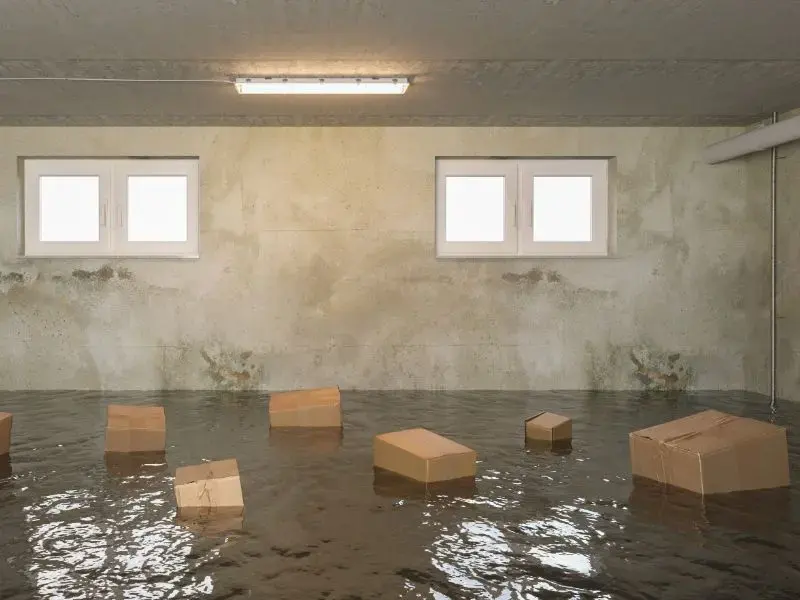
Floodwater downstairs endangers the furnace, the water heater and every finished room together. The restoration team pumps it out, maps the wet zone and dries the level to a reading.
(888) 599-2961Lower level wet? Ask for pumping now- Pumped to the slab
- Finished rooms dried in place
- Readings every visit
Usual sourcesRain, pipes, pumps, drains
Local settingPapillion Creek Watershed
Water typeCategory 1 to 3, by source
AvailabilityAround the clock
A flooded lower level puts the furnace, the water heater and any finished rooms at risk in the same hour. Ralston is part of the Papillion Creek Watershed, so rain across the wider metro belongs to the drainage picture, but it is only one cause among several. Pipes, pumps and drains fail indoors in every season, and the first job is to learn which of them put the water there.
How basement flooding cleanup is handled in Ralston
- 1
Name the source
The walkthrough finds where the water came from and sets its category before work begins.
- 2
Pump to the slab
Pumps and extraction units bring the water down to bare concrete.
- 3
Cut only where wet
Wet pad, trim and the lowest drywall are removed where readings call for it.
- 4
Dry and prove it
LGR dehumidifiers and fans stay on until wood, block and slab match the dry reference.
What does basement flooding cleanup cost in Ralston, NE?
Expect lower-level flood cleanup in Ralston, NE to run $1,500 to $10,000 or more. Water depth, finished versus bare walls, the amount of drywall and flooring removed, and clean versus contaminated water move the figure.
Bare level, clean water
$1,500 to $3,500
- Pump-down and extraction
- Concrete and framing drying
- Daily readings
Finished level
$3,500 to $7,000
- Pad and low drywall removed
- Wall cavities dried
- Contents moved and listed
Deep or contaminated
$7,000 to $10,000+
- Contaminated-water protocol
- Everything porous removed
- Disinfection and drying
For a closer planning number, try the water damage cost calculator. A firm figure comes after the walkthrough and moisture map.
Where lower-level water comes from
- Heavy rain that outruns downspouts, window wells and yard drainage
- A pit pump that stops or falls behind
- A supply pipe or water heater failing in the floor above
- A floor drain or toilet backing up, which is Category 3 water
- Wet ground pressing water in along the wall and slab
The source decides the category, and the category decides how the work goes. Clean pipe water is dried where it sits, while water from a drain or from outdoors is treated as contaminated. Slow dampness has its own page: foundation seepage cleanup in Ralston.
Finished and unfinished lower levels
Bare concrete floors and unfinished walls generally recover well after pumping. A finished level asks more of the crew. Wet carpet pad, trim, the base of the drywall and sodden insulation often go, so the space behind the wall can breathe. The drying team cuts only as high as the meters demand, and photographs each cut for the file. Moisture readings taken after the cut confirm that the cavity behind it is drying.
Mechanical room before anything else
When water reaches the furnace or water heater, no one goes near either until the power is off. Any gas appliance that stood in water needs a technician's check before it is restarted.
Keeping the next flood out
Once the room is dry, check the downspout extensions, the window well covers and the grade beside the foundation, since those decide where the next storm's water goes. The basement seepage risk check is a quick way to score a lower level. If sewage was involved, read about sewage backup cleanup in Ralston, and for the drying phase itself see structural drying.
Coverage
Basement Flooding Cleanup across Ralston, NE
The restoration team serves all of Ralston, from Downtown Ralston, Seymour Park and the Hinge redevelopment area to the ranch streets of Bay Meadows and Mockingbird Hills, plus the storefronts along Main Street and Burlington Street.
See every area servedQuestions
Basement Flooding Cleanup questions in Ralston
Water is rising in my lower level right now. What first?
Keep out of the water if outlets, cords or the furnace are nearby. When the panel sits on dry ground, shut off the lower-level circuits. Close off the source if it is safely reachable, take photos and phone for extraction.
Can a finished lower level be saved?
Frequently. Studs, joists and concrete dry where they stand, while pad, baseboard, low drywall and soggy insulation are usually removed to open the cavities. Clean water saves far more than contaminated water.
Who pays when a lower level floods?
It depends on where the water came from. Burst pipes are commonly covered, sewer backup often needs an endorsement, and rising surface water usually calls for flood insurance. The policy wording decides, so ask your insurer before work starts.
Does Ralston have rules about flood areas?
Chapter 15 of the Ralston Municipal Code covers Floodways and Flood Fringe Districts. Whether a given property is affected is a question for the city and your insurer, since it changes which policy responds.
Why does the room smell musty after the water is gone?
A musty smell means something is still damp: pad, drywall or wood holding moisture and souring. A freshener only masks it. Thorough drying, and removal of whatever cannot dry, is the cure.
Should I empty the lower level before help comes?
Take valuables and electronics upstairs if that is safe, but leave heavy soaked items and deep water alone. Belongings are photographed as the crew works, which keeps the claim file complete.
24/7 emergency dispatch
Flooded lower level in Ralston? Start the dry-out
Water that stays put keeps feeding moisture into wood, drywall and insulation. The restoration team pumps it down, removes what cannot dry and runs equipment until the readings agree.