Damp walls and wet slabs
Foundation Seepage Cleanup in Ralston, NE
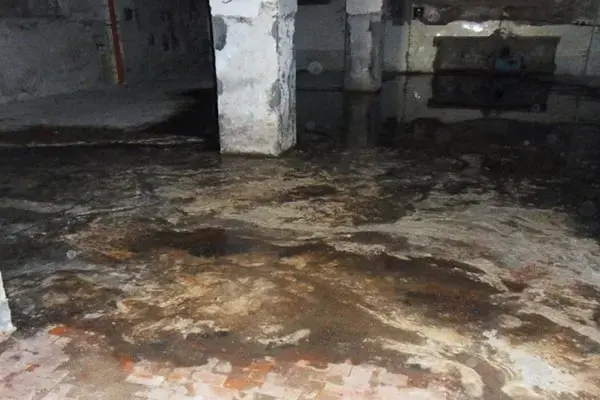
Ground water seeps into a lower level, leaving a darkened wall base or a wet slab edge after a rainy stretch. The restoration team traces where it went, takes out what holds it and dries the rest to a reading.
(888) 599-2961Damp wall after rain? Ask for mapping- Thermal imaging on walls
- Masonry dried fully
- Daily readings
Water typeGround water, Category 2
First clueDark band at the wall base
Home ageMedian build year 1972
AvailabilityAround the clock
Seepage is the opposite of a burst pipe: nothing gushes, and the harm builds for weeks. Water from the ground finds its way through a wall or rises where slab meets footing, and the carpet next to it wicks it sideways. The median Ralston home was built in 1972, so its walls and floors have been through many wet seasons, although soil and foundation type differ lot by lot and are not assumed here.
How foundation seepage cleanup is handled in Ralston
- 1
Map each wall
A thermal camera and meters follow every outside wall until wet turns dry.
- 2
Take out soaked finishes
Pad, trim and low drywall go only where readings say they must.
- 3
Dry the masonry
LGR units and fans stay longer on block and concrete.
- 4
Record the route
Photos and logged readings show how water got in, for the contractor and the claim.
What does foundation seepage cleanup cost in Ralston, NE?
In Ralston, NE, foundation seepage cleanup typically runs $800 to $5,000. A single damp bare wall lands near the bottom, and a finished room that stayed wet for weeks lands near the top.
One bare wall
$800 to $1,800
- Mapping visit
- Pumped if pooled
- Masonry dried
Finished room
$1,800 to $3,500
- Soaked pad removed
- Low drywall opened
- Wall space dried
Weeks of dampness
$3,500 to $5,000+
- Several walls opened
- Sanitizing treatment
- Long dehumidifying
For a closer planning number, try the water damage cost calculator. A firm figure comes after the walkthrough and moisture map.
Clues that water is coming in
- A shadowed strip along the foot of a wall that returns after storms
- Carpet that is wet at the edges but dry underfoot in the middle
- Pale mineral deposits on masonry
- Stored cardboard gone soft against an outside wall
- A moist slab edge or floor drain with no leaking pipe nearby
What mapping reveals
Because the water arrives gradually, the damage hides behind finishes. The first visit runs a thermal camera and pinless meters along every outside wall to find where wet turns dry. On finished walls, soaked pad, baseboard and a strip of low drywall generally come out so the space behind can air out. Block and poured concrete let go of water slowly, which is why dehumidifiers stay on them longer than after a clean pipe leak.
Dry room, same source
Drying clears the room and documents the entry point, but it does not seal the wall. Regrading, gutter work or drain tile is a job for a waterproofing or foundation contractor.
After a wet stretch of weather
Ralston is part of the Papillion Creek Watershed, and the city code even devotes an article to it. After a long rainy period, walk each outside wall of the lower level and look for fresh staining; the basement seepage risk check turns what you see into a quick score. If the sump cannot keep pace, the loss becomes sump pump failure cleanup, and water covering the floor is basement flooding cleanup. The Ralston hub lists the rest.
Coverage
Foundation Seepage Cleanup across Ralston, NE
The restoration team serves all of Ralston, from Downtown Ralston, Seymour Park and the Hinge redevelopment area to the ranch streets of Bay Meadows and Mockingbird Hills, plus the storefronts along Main Street and Burlington Street.
See every area servedQuestions
Foundation Seepage Cleanup questions in Ralston
Should I worry about a damp stripe after rain?
A band that fades by itself may be minor. Trouble starts when the moisture reaches pad, drywall or stored boxes, which stay wet long enough to sour. If anything finished is touched, get it mapped before the next downpour.
Can walls stay closed during drying?
Bare masonry dries in place. Finished walls usually need the baseboard and lowest drywall removed so air can reach the space behind, and the cut stays as low as the meters permit.
Is seepage an insurance matter?
Slow seepage and ground water are frequently excluded from homeowners policies, and flood coverage plays by separate rules. Ask your insurer before work starts, since the policy wording decides.
How do I know a damp floor is not a drain problem?
Water at floor level can also rise from a drain. Sewage is Category 3 and calls for a different protocol, so the source is confirmed before any drying begins. See sewage backup cleanup.
Will a household dehumidifier be enough?
It helps room humidity but cannot pull water out of saturated pad or wall space. Commercial LGR units, air movers and removal of soaked materials are what return a damp room to a dry reading.
Who prevents a repeat?
A waterproofing or foundation contractor handles drain tile, sealing and grading. The drying crew supplies photos and readings showing the entry route, a useful starting point for that work.
24/7 emergency dispatch
Wet wall or slab in Ralston? Start the drying
Dampness at a foundation keeps soaking carpet, trim and drywall until the entry path is found. The team maps it, discards what cannot dry and keeps equipment running until readings match a dry wall.