Outdoor storm water
Storm Flood Cleanup in Ralston, NE
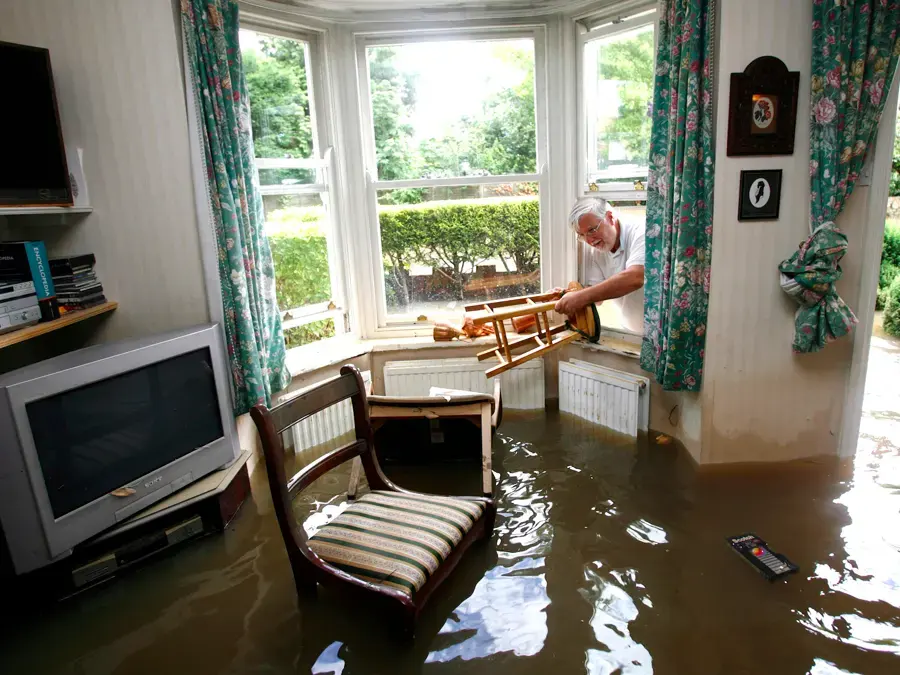
Water that comes in from outside brings silt and contamination with it. The restoration team pumps it out, removes what it soaked, treats the surfaces and dries the structure to a reading.
(888) 599-2961Storm water inside? Ask for cleanup now- Handled as Category 3
- Porous finishes removed
- Disinfected, then dried
Water typeCategory 3
Local settingPapillion Creek Watershed
Porous materialsRemoved, not dried
AvailabilityAround the clock
Storm water that enters a building from outside carries silt, yard runoff and sometimes sewage with it, which is why it counts as Category 3 from the first minute. Ralston is part of the Papillion Creek Watershed, and Big Papillion Creek in the Omaha metro crested at 28.14 feet in March 2019, its greatest historic crest. That crest was regional, but it shows how much water the watershed can carry.
How storm flood cleanup is handled in Ralston
- 1
Protect and contain
Protective gear goes on and the wet area is sealed off from clean rooms.
- 2
Pump and muck out
Pumps lower the depth and silt is removed from the floor.
- 3
Remove porous materials
Soaked pad, insulation and low drywall are cut out and photographed.
- 4
Treat and dry
Surfaces are disinfected, then equipment dries the structure to a reading.
What does storm flood cleanup cost in Ralston, NE?
In Ralston, NE, storm flood cleanup typically runs $3,000 to $15,000 or more. Water depth, the number of rooms affected and how much contaminated drywall, flooring and insulation comes out decide the figure.
Shallow, one area
$3,000 to $6,000
- Water and silt removed
- Low drywall cuts
- Antimicrobial and drying
Whole floor or lower level
$6,000 to $11,000
- Category 3 removal
- Contents listed
- HEPA air scrubbers
Deep, whole structure
$11,000 to $15,000+
- Heavy demolition
- Containment set
- Extended structural drying
For a closer planning number, try the water damage cost calculator. A firm figure comes after the walkthrough and moisture map.
Why storm water is treated as contaminated
Cleaning cannot make porous material safe again once outdoor water has soaked into it, and drying does not remove what the water left behind. Carpet, pad, insulation and the lower drywall are usually discarded, and hard surfaces are cleaned and disinfected.
- Silt and debris are shoveled and vacuumed off the floor
- Soaked insulation and drywall are cut away to a clean edge
- Hard surfaces are washed, then treated with an EPA-registered antimicrobial
- HEPA air scrubbers run while the work is under way
The cleanup sequence
The crew starts with containment and protective gear, since people should not wade through the water without it. Pumps lower the depth, silt comes out, and the walkthrough marks the high-water mark on every wall. Materials below that mark are removed and photographed. Only then do air movers and LGR dehumidifiers go in, and drying continues until the readings match a dry reference.
Flood coverage is separate
Rising surface water is usually a flood claim, not a standard homeowners claim. Chapter 15 of the Ralston Municipal Code covers Floodways and Flood Fringe Districts, so ask the city and your insurer how a specific property is treated.
Staying safe after a storm
Keep children and pets out of the water, avoid outlets and cords, and do not run fans through wet, contaminated rooms. If a drain also backed up, the work overlaps with sewage backup cleanup. For water that filled a lower level, see basement flooding cleanup in Ralston.
Coverage
Storm Flood Cleanup across Ralston, NE
The restoration team serves all of Ralston, from Downtown Ralston, Seymour Park and the Hinge redevelopment area to the ranch streets of Bay Meadows and Mockingbird Hills, plus the storefronts along Main Street and Burlington Street.
See every area servedQuestions
Storm Flood Cleanup questions in Ralston
Floodwater came in from outside. May I clean it myself?
Small amounts on a hard floor are one thing, but deep water, silt or anything from a drain calls for protective gear and a plan. Contaminated water is a health risk, and porous materials must be removed, not just wiped.
Why must drywall be cut out after a storm flood?
Drywall wicks contaminated water upward and cannot be cleaned inside. It is cut away to a clean edge above the waterline, along with soaked insulation, so the cavity can be disinfected and dried.
Is storm flooding covered by homeowners insurance?
Usually not by itself. Rising surface water is typically a flood policy matter, while sewer backup may need an endorsement. Coverage depends on the policy, so ask your insurer before work starts.
Does Ralston have a flood chapter in its code?
Yes. Chapter 15 of the Ralston Municipal Code covers Floodways and Flood Fringe Districts, and Chapter 16 includes a Papillion Creek Watershed article. Ask the city whether a particular property is affected.
How long does storm flood cleanup take?
There is no single number of days. Contaminated losses involve removal, treatment and then drying, and masonry, hardwood and plaster take longer. Equipment leaves only when readings reach the drying goal.
Can my furniture be saved?
Solid wood and hard goods can often be cleaned and dried. Upholstered pieces, mattresses and anything porous that touched contaminated water are usually discarded, and the crew photographs them for the claim.
24/7 emergency dispatch
Storm water in your Ralston home? Call for cleanup
Contaminated water spreads further into wood, drywall and insulation every hour. The restoration team removes it, treats the surfaces and dries the structure until the readings agree.