Hail and wind storm leaks
Roof Leak Water Damage in Bellevue, NE
Quarter-size hail fell across Bellevue on June 25, 2024, and two tornadoes hit on June 16, 2017. When torn shingles let rain in, the drying team follows the water from attic insulation down into ceilings and walls.
(888) 599-2961Ceiling dripping in a storm? Call Bellevue- 24/7 dispatch
- Attic and ceiling moisture mapping
- Readings logged daily
Local causesHail, wind, tornado damage
First wet layerAttic insulation
Water typeCategory 1 at first
AvailabilityAround the clock
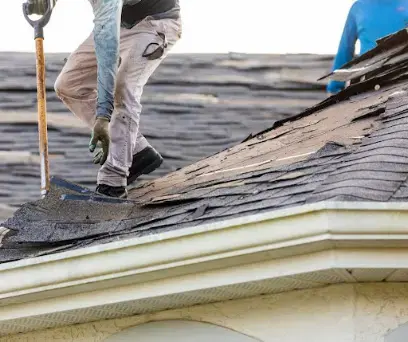
Bellevue's storm record explains most roof leaks here. Hail up to quarter size fell across the city on June 25, 2024, with strong wind and a downed tree, and two tornadoes hit on June 16, 2017, including EF-2 damage in the Hyda Hills neighborhood. Shingles, flashing and vents damaged in storms like those can leak long before anyone sees a stain.
How roof leak water damage is handled in Bellevue
- 1
Find the entry point
Thermal imaging and meters follow the moisture from the stain up to the damaged roof area.
- 2
Pull wet insulation
Soaked attic insulation is removed so the decking and ceiling can dry.
- 3
Open the ceiling if needed
Sagging or stained drywall is cut out in sections, and framing is left to dry in place.
- 4
Dry and confirm
Dehumidifiers and air movers run on the attic and rooms below until readings reach target.
What does roof leak water damage cost in Bellevue, NE?
In Bellevue, NE, roof leak water damage cleanup commonly runs $800 to $6,000. How much attic insulation was soaked, whether ceilings must come down and how many rooms the water reached set the total.
Small leak
$800 to $2,000
- Moisture mapped
- Attic insulation dried
- Ceiling spot dried
Insulation and ceiling
$2,000 to $4,000
- Wet insulation hauled off
- Ceiling section removed
- Rafters dried
Several rooms hit
$4,000 to $6,000+
- Multiple ceilings
- Wall cavities dried
- Contents shielded
For a closer planning number, try the water damage cost calculator. A firm figure comes after the walkthrough and moisture map.
Roof leak or ceiling leak?
A roof leak begins above the insulation and works downward. A leak that starts upstairs, at a tub or a supply pipe, begins below the roof. The two look alike on drywall, so the drying team traces the moisture back to its source before deciding what to open. If plumbing is the cause, see ceiling leak water damage.
What the drying team checks after a storm
The walkthrough runs from the attic down, because that is the direction the water took, and each layer is photographed before anything is removed so the claim shows what was wet and why.
- Attic insulation, which soaks first and holds water against the ceiling
- Roof decking and rafters near the entry point
- Ceiling drywall, where brown rings and sagging show up
- Light fixtures and fans, which can funnel water into the room
- Wall cavities below the leak, where water runs down the studs
Roofing and drying are separate jobs
The restoration team dries the interior and documents the damage. Repairing shingles, flashing and decking belongs to a roofer, and a temporary cover from a roofer keeps the next storm from wetting the house again.
Storm damage and what comes after
After hail or wind, check the ceilings under the roof slopes that took the most punishment, and photograph stains with the date. A leak that soaks several rooms can overlap with storm flood cleanup when water also entered at ground level, and structural drying covers how framing is brought back to dry.
Coverage
Roof Leak Water Damage across Bellevue, NE
The restoration team works all of Bellevue: Olde Towne, Fontenelle Hills, Hyda Hills, Twin Creek, Tregaron and Twin Ridge, plus the shops and offices along Fort Crook Road and Highway 370.
See every area servedQuestions
Roof Leak Water Damage questions in Bellevue
Water is coming through the ceiling during a storm. What now?
Move furniture, set out a bucket and relieve a bulging ceiling at its lowest point so it does not collapse. Keep clear of fixtures that hold water, shut off power to that room if the panel is dry, and call for drying.
Why is the stain far from the damaged shingles?
Water travels along rafters and insulation before it drops through drywall. The stain can sit well away from the roof opening, so meters and thermal imaging find the real path.
Does wet attic insulation always have to be replaced?
Soaked insulation loses its value and holds water against the ceiling, so it is usually removed. Lightly damp batts can sometimes dry in place, but readings decide, not appearance.
Will insurance pay for a roof leak?
Storm damage from hail or wind is commonly covered, while wear and neglected maintenance usually is not. Dated photos of the stain and the roof, plus the drying records, help the file. Ask your insurer how the policy treats the cause.
Does the restoration team repair the roof?
The restoration team dries the interior and documents the damage. A roofer repairs or replaces the roof, and a temporary cover from a roofer limits further water.
How long after a hail storm can a leak appear?
A leak can show up well after a storm, because damaged shingles let water in only during later rain and insulation can hold it out of sight. After the June 25, 2024 hail, or any similar storm, checking the ceilings and attic after the next rain is sensible.
24/7 emergency dispatch
Roof leak in Bellevue? Get the water out of the ceiling.
Rain that gets past damaged shingles keeps soaking insulation, ceilings and framing. The restoration team finds it, dries what can dry, removes what cannot and records readings for the claim.