Overland flood water
Storm Flood Cleanup in Bellevue, NE
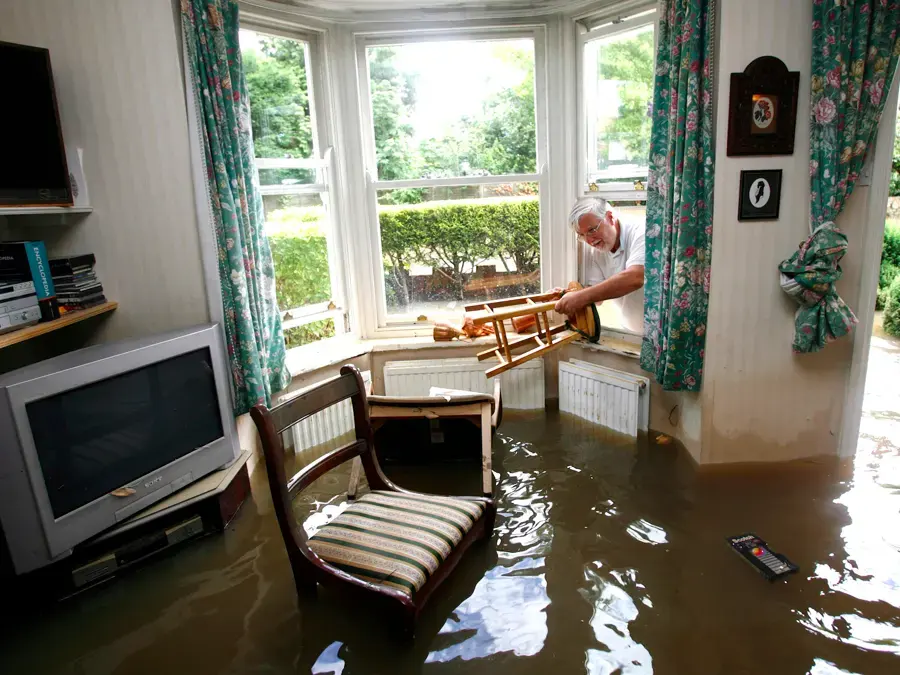
Bellevue has seen Papio Creek flash flooding and Missouri River floods in 2011, 2019 and 2024. When water enters a home, the restoration team removes the silt and contaminated materials and dries what remains.
(888) 599-2961Floodwater in your home? Call Bellevue now- 24/7 dispatch
- Category 3 protocols
- Readings logged daily
Water typeCategory 3
Local driversPapio Creek, Missouri River
Porous materialsRemoved, not dried
AvailabilityAround the clock
Storm water does not arrive clean. It crosses yards, streets and fields before it reaches a building, and by then it carries soil, fuel residue and bacteria. Bellevue has a record of it: Papio Creek flash flooding on May 21, 2024, and Missouri River flooding in 2011, 2019 and 2024. During the June 2024 river flood, the Papio NRD closed slide gates and culverts and set up a flood wall barrier along railroad tracks in Bellevue.
How storm flood cleanup is handled in Bellevue
- 1
Assess the water
The crew reads the water as Category 3, sets safety steps and photographs before touching anything.
- 2
Extract and clear silt
Pumps remove the water, and silt is shoveled and rinsed off hard surfaces.
- 3
Remove porous finishes
Carpet, pad, insulation and low drywall that floodwater touched are cut out and hauled away.
- 4
Sanitize and dry
Surfaces are sanitized, then filtered air and dehumidifiers dry the structure to a reading.
What does storm flood cleanup cost in Bellevue, NE?
In Bellevue, NE, storm flood cleanup commonly runs $3,000 to $15,000 or more. Water depth, the number of rooms it entered and how much contaminated drywall, flooring and insulation has to be removed set the figure.
Shallow, one area
$3,000 to $6,000
- Water and silt removed
- Low drywall cuts
- Sanitizer and drying
Lower or main level
$6,000 to $11,000
- Category 3 removal throughout
- Contents logged
- Filtered air machines
Deep or whole level
$11,000 to $15,000+
- Large demolition
- Containment barriers
- Extended structural drying
For a closer planning number, try the water damage cost calculator. A firm figure comes after the walkthrough and moisture map.
How floodwater reaches Bellevue buildings
Two systems feed the problem. Papio Creek runs through town and rises fast under hard rain, while the Missouri River bounds the east side and can hold drainage back when it runs high. Offutt Ditch carries storm runoff from about 1,627 acres toward the river, and the Papio-Missouri River NRD and the City of Bellevue have used temporary pumps over the levee in major floods.
- Creek overflow that crosses yards and enters at doors and window wells
- River backwater that slows drainage and keeps the ground saturated
- Storm drains that cannot empty while the river is high
- Sheet flow across lots during short, heavy rain
The storm cleanup sequence
The order matters. Water and silt come out first, then every porous material the water touched: carpet, pad, insulation and the lower drywall. Hard surfaces are cleaned and sanitized, and the structure is dried with dehumidifiers and air movers. Contents are logged with photos before they are moved.
Flood cover and home cover differ
Rising water usually falls under flood coverage, and Bellevue is an NFIP participating community. A standard homeowners policy often treats it differently, so ask your insurer which one applies before work begins.
Staying safe after a storm
Stay out of moving water, and treat any standing water as unsafe until the power is off. Wear gloves and boots if you must enter, keep family and pets away, and do not run a household vacuum in a flooded room. Related pages: basement flooding cleanup, sewage backup cleanup and structural drying.
Coverage
Storm Flood Cleanup across Bellevue, NE
The restoration team works all of Bellevue: Olde Towne, Fontenelle Hills, Hyda Hills, Twin Creek, Tregaron and Twin Ridge, plus the shops and offices along Fort Crook Road and Highway 370.
See every area servedQuestions
Storm Flood Cleanup questions in Bellevue
Is it safe to clean up floodwater myself?
Not without protection. Creek and river water carries soil, bacteria and chemicals, and electrical hazards can hide in wet walls. A small, shallow cleanup needs gloves, boots and caution, while anything deeper or soaked into materials is better left to a trained crew.
Why does drywall get cut out after a creek flood?
Drywall and insulation act like sponges, and they soak up whatever the water carried. Cutting above the water mark lets the cavity dry and takes the contaminated material out of the house instead of sealing it in.
Which Bellevue flood events are on record?
Papio Creek flash flooding hit on May 21, 2024, covering fields and golf courses including Tranquility Park. Missouri River flooding affected Bellevue in 2011, 2019 and 2024, and Haworth Park was destroyed by the 2019 flood and later rebuilt.
Does insurance pay for storm flooding?
Rising surface or river water is usually a flood coverage matter rather than a standard homeowners one. Bellevue participates in the NFIP, so flood policies are available, but each has its own rules. Ask your insurer before work begins.
Can furniture and belongings be saved?
Hard items such as wood furniture and metal can often be cleaned and sanitized. Upholstery, mattresses and anything absorbent that sat in Category 3 water is usually discarded. The crew lists each item with photos for the claim.
What should happen once the river or creek drops?
Do not wait for the ground to look dry. Silt left on floors and in wall cavities keeps moisture in the structure, so cleanup and drying should begin as soon as it is safe to enter. Photos and readings support the claim.
24/7 emergency dispatch
Storm flood in Bellevue? Get a flood crew moving.
Silt and contaminated water linger long after the creek or river drops. The restoration team clears it, removes what cannot be cleaned and dries the building to a verified reading.