Business property water loss
Commercial Water Damage in Bellevue, NE
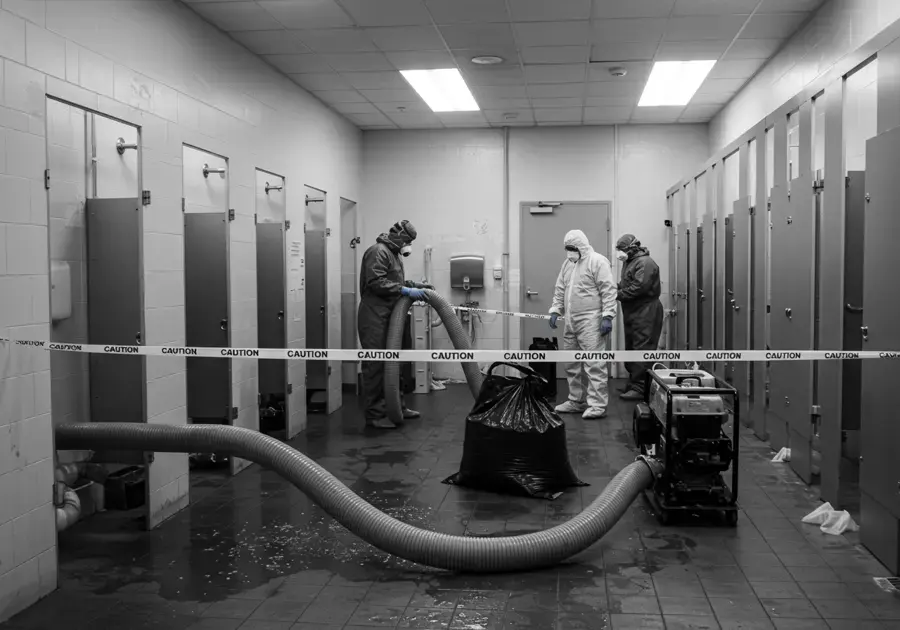
From Fort Crook Road to the Highway 370 and Cornhusker corridors, a burst pipe or roof leak can idle a business overnight. The restoration team extracts, dries and documents the loss around business hours.
(888) 599-2961Business flooded in Bellevue? Call a crew now- 24/7 dispatch
- Zoned moisture maps
- Documentation for insurers
Property typesOffices, shops, tenant suites
SchedulingWork staged by area
RecordsPhotos and readings per space
AvailabilityAround the clock
Bellevue's key commercial areas are the Cornhusker, Highway 370, Capehart and Fairview corridors, Fort Crook Road and Olde Towne Bellevue, with the newest growth to the south and southwest. Water in a business costs more than the repair, because every closed day is lost sales. The Mission Avenue sewer reconstruction in Olde Towne Bellevue is also under way, and access near that work can shape how a crew stages equipment.
How commercial water damage is handled in Bellevue
- 1
Scope and zone
The crew walks the space, splits it into zones and maps moisture room by room.
- 2
Extract and protect
Water is pulled out first, and contents are shielded.
- 3
Dry in stages
Ceiling tile and wet drywall come out, and equipment stays staged to keep areas open.
- 4
Document each space
Photos and readings are kept by suite for the owner, tenants and insurers.
What does commercial water damage cost in Bellevue, NE?
In Bellevue, NE, commercial water damage restoration commonly runs $3,000 to $30,000 or more. Square footage, the flooring and wall types, the water category and any work done outside business hours set the price.
Small office or shop
$3,000 to $8,000
- Quick extraction
- Barriers around the area
- Drying with logged readings
Multi-tenant or several rooms
$8,000 to $18,000
- Moisture maps by suite
- Ceiling tile and drywall out
- Off-hours work
Large or contaminated
$18,000 to $30,000+
- Warehouse or Category 3
- Full equipment fleet
- Extended records
For a closer planning number, try the water damage cost calculator. A firm figure comes after the walkthrough and moisture map.
What commercial jobs need
- A written scope before work starts, so managers can approve it quickly
- Moisture maps drawn by suite or room
- Stages that keep part of the space open when it is safe
- Documentation for the property owner, tenants and insurers
Buildings dry differently
Commercial finishes behave unlike a home's. Carpet tile can be lifted and dried, ceiling tile is replaced, and a concrete slab holds moisture for a long time. Metal studs do not swell, but their insulation and drywall do. The drying team sizes equipment to the volume of each zone and monitors every zone until it hits its target.
Multi-tenant losses need clear records
When water crosses a wall between suites, each space is mapped and photographed on its own. That keeps tenant claims, landlord claims and insurer questions from blurring together.
Planning ahead
Know where the main water shutoff is, post it where staff can find it and keep a short list of who to call. Checking the roof drains each season helps too. A plan like that shortens the first hour. Related pages: structural drying, sewage backup cleanup and roof leak water damage.
Coverage
Commercial Water Damage across Bellevue, NE
The restoration team works all of Bellevue: Olde Towne, Fontenelle Hills, Hyda Hills, Twin Creek, Tregaron and Twin Ridge, plus the shops and offices along Fort Crook Road and Highway 370.
See every area servedQuestions
Commercial Water Damage questions in Bellevue
Can a business stay open during the dry-out?
Often, in part. Containment barriers and staged equipment can keep unaffected areas running, though noise and restricted access may affect customers. The crew plans around your hours and what is safe.
What should staff do first when water appears?
Close the main shutoff or the fixture valve, keep people away from wet electrical, and move stock and records off the floor. Photograph the water and notify the owner or manager before cleanup starts.
Is commercial carpet always replaced?
No. Carpet tile can often be lifted, dried and reinstalled after a clean water loss, and broadloom may be extracted in place. Sewage or storm water changes that, because porous flooring that touched it is removed.
How is a multi-tenant loss documented?
Each suite is mapped, photographed and monitored separately, with the source noted. That record lets the landlord, each tenant and each insurer see what water reached which space.
Does commercial insurance cover water damage?
Sudden losses such as a burst pipe or a storm roof leak are commonly covered, while flood and sewer backup often need separate coverage. Bellevue participates in the NFIP, so flood policies exist. Check the policy with your insurer.
Who decides the schedule for a commercial dry-out?
The property manager and the restoration team agree on stages, with access, noise and safety in mind. Readings, not the calendar, decide when each zone is released.
24/7 emergency dispatch
Water loss at a Bellevue business? Get it handled.
Every hour a space stays wet adds cost, and every hour closed adds lost sales. The restoration team extracts, dries in stages and documents each suite for the owner and insurer.